Product Authenticity Checks: A Private Label Brand's Daily Workflow

A product authenticity checking system is more than a QR code added to private label packaging. The product record, a unique authentication identity, the customer's check, and the resulting dashboard event must form one connected workflow. Its practical value is that a field interaction becomes something the brand can review in context.
Manufacturing may take place at a separate facility, but the branded business still owns the quality of the authentication experience. The contract manufacturer can apply labels while the brand governs product-to-code matching, customer-facing results, and the review of activity that needs an explanation. This is an operating perspective, not a fabricated customer story.
What question should an authenticity system answer?
The system should determine whether the security code belongs to a valid record created by the brand and whether the concealed PIN has already been used. That boundary matters. A digital result does not test the contents like a laboratory, nor does it prove every event across the entire supply chain.
For a private label business, code validity is only the first question. Was the code assigned to the correct product, applied to the right pack, presented clearly to the customer, and used in a way that fits the brand's operating records? The system becomes useful when these questions can be reviewed together.
Separate the product type from the item identity
A shared retail barcode may identify a product type, while an item-level authentication identity distinguishes a particular pack. The GS1 Global Traceability Standard explains the different roles of class, batch, and instance-level identification. This distinction prevents a brand from expecting one stock reference to provide an individual authentication history.
Uniqueness is not useful if the code is attached to the wrong product record. When similar packs move through a contract facility, the application instruction should make product-to-code matching unambiguous. Damaged, unused, or incorrectly applied labels also need to be separated from ordinary production activity.
- Product record: Defines the product and packaging variant associated with the code.
- Unique identity: Distinguishes one pack from other units of the same product.
- Concealed credential: Requires the PIN to remain covered until the customer authenticates.
- Dashboard event: Exposes product, time, location, and prior-use context for review.
Who owns coding in contract manufacturing?
A private label business may delegate label application or parts of code handling, but it should not leave record ownership undefined. The brand and manufacturer need a clear understanding of who approves the product record, where labels may be used, and how application exceptions are reported.
This is an operating instruction before it is a software setting. The QR area must remain readable, the scratch-off area must stay closed before dispatch, and the code must match the correct item. The guide to private label product safety provides a broader framework for responsibility between the brand and its manufacturer.
How does the documented xBarkod flow work?
xBarkod's live product description documents a unique QR code and a concealed scratch-off PIN for each product. The customer scans the QR code through the xBarkod App, enters the PIN, and sees the authentication result. Prior use is checked, and the event is recorded for the company dashboard with product, time, and location information.
For the private label brand, this keeps the customer check from becoming an isolated support message. The dashboard event points back to a product identity. The team can then compare that event with its own manufacturing, dispatch, return, order, or support records when more context is needed.
Once product records and packaging ownership are defined, the xBarkod authentication flow can be evaluated against the real operation. The review should cover product matching, protection of the concealed PIN, the message shown to the customer, and ownership of dashboard review—not just the appearance of the label.
Why is watching the dashboard not enough?
Dashboard visibility begins a decision; it does not finish one. Product, time, location, and prior-use information can identify activity that deserves attention, but none of those signals alone proves a counterfeit. Customer rescans, travel, gifts, returns, resale, or support activity can provide ordinary explanations.
A daily review should start with the product connected to the event. The brand can then consider prior use, whether timing fits known sales and dispatch activity, and whether location is consistent with available records. The guide to authentication dashboard reports examines how these events can be turned into a repeatable review routine.
How should suspicious use be reviewed?
A reused code, unexpected time or location context, or activity that conflicts with the product record may justify investigation. The activity should be described as unexplained use instead of a confirmed counterfeit. That language avoids an unsupported conclusion and directs the team toward evidence.
- Confirm the product and packaging record connected to the code.
- Read prior use, time, and location context together.
- Compare relevant manufacturing, dispatch, order, return, and support records.
- Record the rationale when ordinary activity explains the event.
- Route unresolved activity to the named owner inside the brand.
The guide to reused product codes explores repeat activity in more detail. A private label business adds the manufacturing record to that review: Was the label applied to the correct product, were unused labels controlled, and did the pack enter the expected channel?
Who should own the daily review?
Authentication is not solely an information technology task. The team maintaining product records, the party overseeing label application, customer support, and the person reviewing unexplained dashboard activity should follow the same decision rule. Clear handoffs matter as much as screen access.
A concise internal review record is a practical starting point: the product involved, the dashboard signal, the business records checked, the explanation reached, and the next action. This prevents the same event from being interpreted differently across teams and keeps authentication data connected to daily decisions.
Make the operating decision before ordering labels
The soundest starting point is to map the identity lifecycle before label ordering. Which saleable unit needs its own identity? How will the contract manufacturer receive and apply labels? How will the concealed area be protected? Who will review dashboard activity? A technically valid code can still fail inside an undefined process.
A trial should represent the real workflow. Product-to-code matching, readability on the actual pack, protection of the PIN, the customer result, and dashboard visibility should be assessed together. Undocumented automatic alerts, special reports, or definitive detection capabilities should not be assumed.
Frequently asked questions about product authenticity systems
What does a product authenticity system verify?
In the xBarkod flow, it checks whether the label code matches a valid record defined by the brand and whether the concealed PIN shows prior use. The result is not an independent laboratory analysis of the product contents or conclusive proof of the entire supply chain.
Why is a general product barcode not enough?
A general barcode can repeat across packs of the same product type. If the brand needs an authentication history for a specific pack, it needs an identity that distinguishes that saleable unit. The shared barcode describes the product class; the item code identifies the physical pack being checked.
What role does the scratch-off PIN play?
The QR code remains visible while the PIN stays concealed until the authentication event. The customer scans the QR code and enters the PIN so the system can evaluate validity and prior use. The brand should ensure that the covered area remains intact through manufacturing and dispatch.
Does an unexpected dashboard location prove a counterfeit?
No. Location is a review signal rather than a verdict. Travel, gifts, resale, returns, or record differences may explain it. Product, time, prior use, dispatch, and support evidence should be considered together before any conclusion is made.
How should responsibilities be divided with a contract manufacturer?
The manufacturer may own correct label application and exception reporting. The brand should govern product records, code-use rules, customer messaging, and dashboard review. The division of work should be documented before production begins.
What is the first step after suspicious activity appears?
Confirm the product record behind the code, then compare prior use, time, and location with manufacturing, dispatch, order, return, and support evidence. If the activity remains unexplained, route it to the responsible team without making a definitive claim about the product.
Conclusion: Connect the check to brand operations
The value of a product authenticity checking system is not limited to showing a result to a customer. It becomes operational when a unique identity is tied to the correct pack, the event is visible in the dashboard, and unexplained use can be reviewed with the brand's own records.
The private label business should define product data, contract application, customer authentication, and dashboard ownership as one workflow. To assess that structure, compare xBarkod's unique QR code, scratch-off PIN, prior-use check, and company dashboard with the way your private label operation actually works.
More Articles
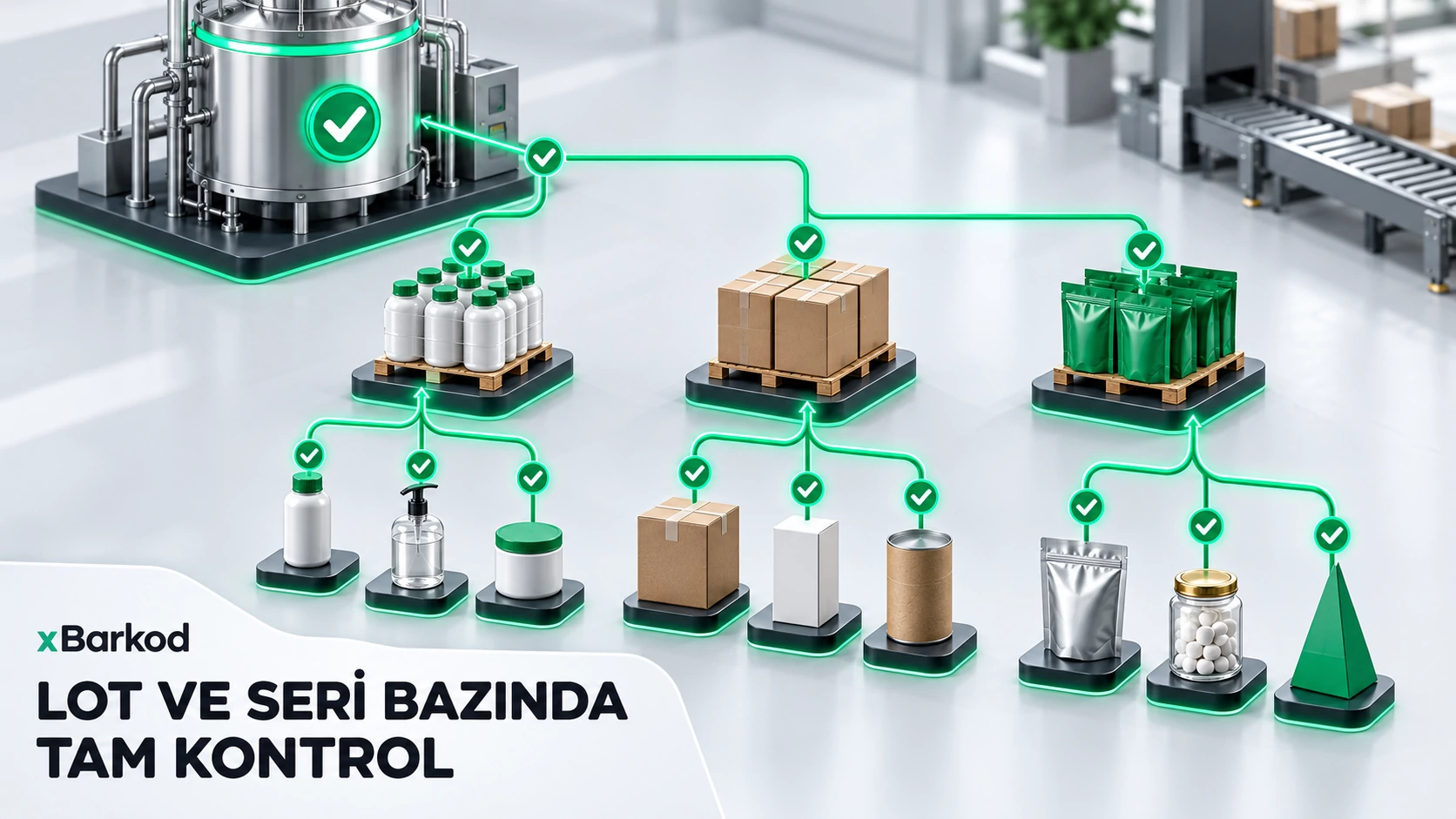
Food Lot Tracking: A Practical Guide from Records to Recall Readiness
Build food lot tracking with current batch rules, linked ingredient-production-dispatch records, recall drills, and item-level authentication controls.
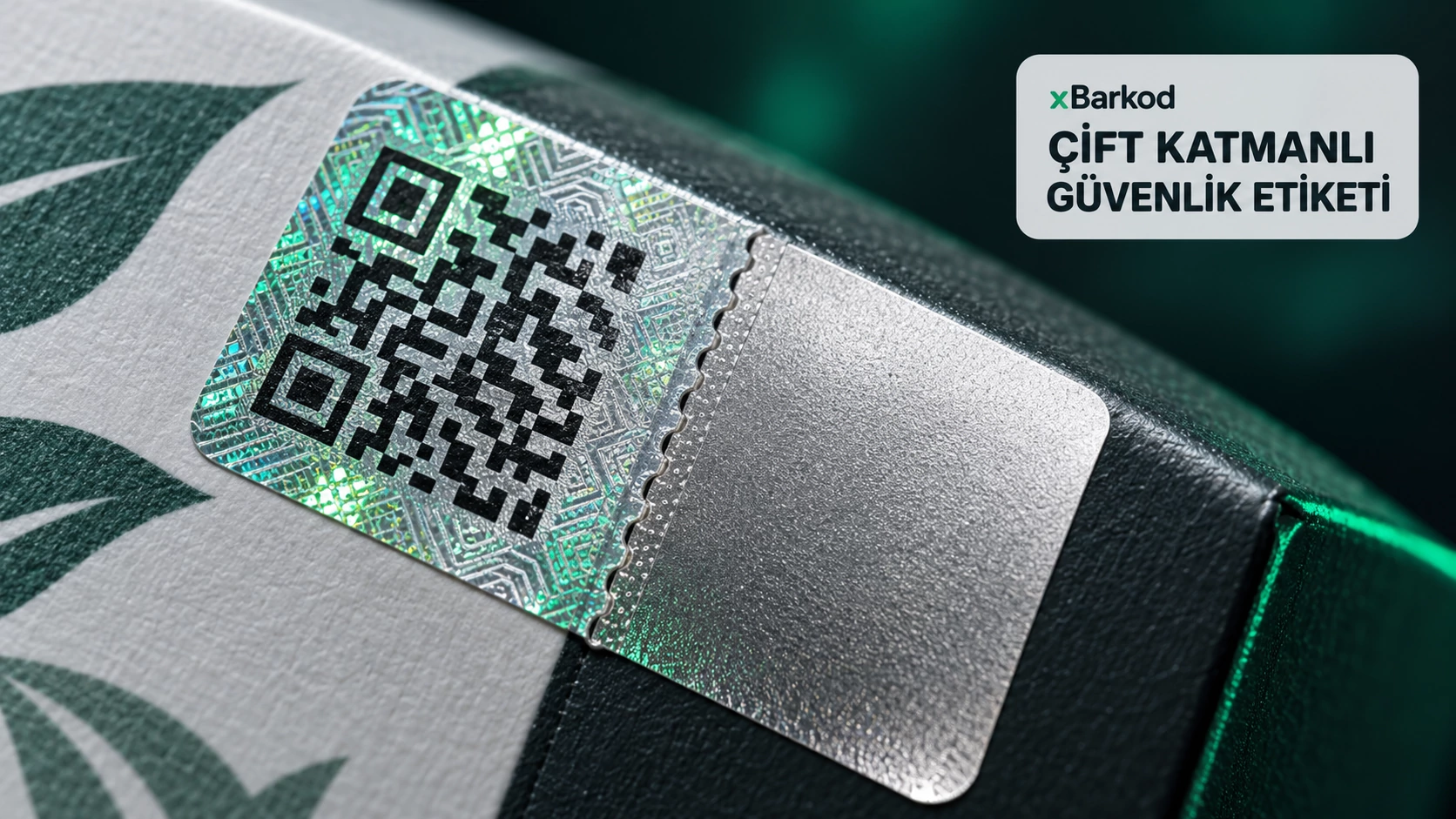
QR Code Authentication for Textile Products: An E-Commerce Brand's Daily Workflow
Learn how an e-commerce textile brand manages QR authentication through product coding, label application, dashboard review, and suspicious-use checks.

Counterfeit Product Detection Systems: From Signal to Decision
Learn how to build a counterfeit product detection system using item identity, authentication signals, channel records, case review, and a controlled pilot.