QR Code Authentication for Textile Products: An E-Commerce Brand's Daily Workflow
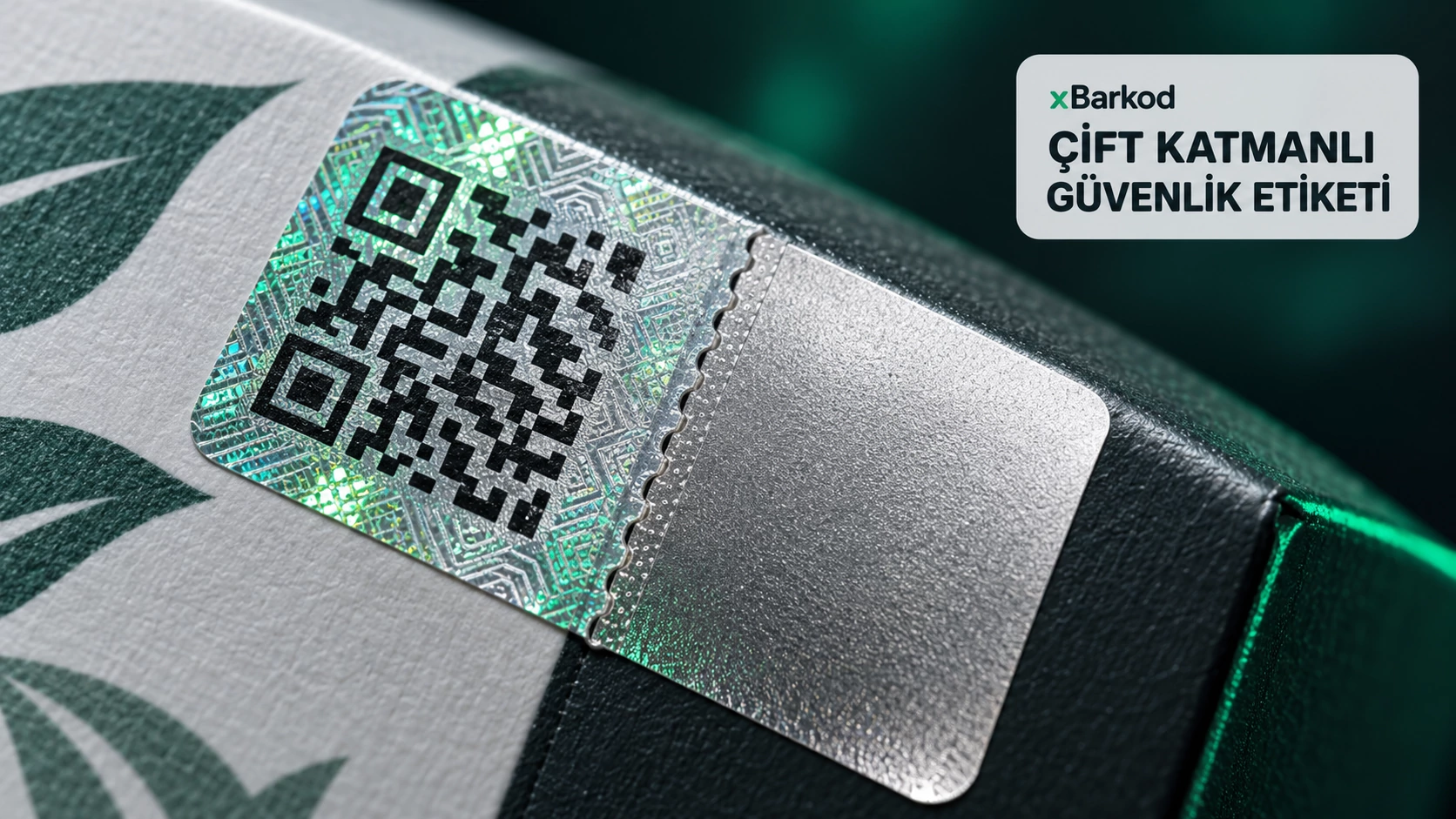
QR code authentication for textile products is more than placing a square image on a label that opens a page. For an e-commerce brand, a useful workflow brings together a unique code linked to each physical item, the customer's QR and scratch-off PIN check, the code's prior-use status, and dashboard activity under one product record.
An online order moves through stock handling, packing, delivery, returns, and support before its journey is complete. When product identity is disconnected from those steps, it is harder to distinguish suspicious use from a customer recheck or a normal return event. Authentication does not make that decision on its own; it provides an organised trail for review.
The everyday benefit is the ability to look beyond model or size-level identification. When a unique authentication code is linked to the correct item, customer activity becomes visible with product, time, location, and use-history context. The brand can compare activity that needs explanation with its order, delivery, return, and support records.
What should a QR code on a textile label change for the brand?
A standard QR code that sends every item to the same product page serves a different purpose from an authentication code linked to a specific physical item. The first can provide information or open a campaign. The second can make activity associated with that label reviewable when it is connected to a product record.
The brand should not confuse a model barcode with an item-level authentication identity. Model, colour, and size records support catalogue and inventory work. In the xBarkod workflow, a unique QR code and concealed scratch-off PIN for each product help a customer check the label against a brand-defined record.
How does product coding fit into the collection workflow?
Coding should not be an isolated task added after product photography or order launch. The collection, product group, and label format included in authentication should be decided during product preparation. The product name in the dashboard and the physical item carrying the label can then follow the same operating definition.
Before coding begins, the e-commerce brand should define:
- The product and variant records included in authentication
- The approved tag, package, or other surface that will carry the security label
- Ownership of the link between the product record and unique code
- Separation of unused, damaged, or incorrectly applied labels
- The brand-side owner responsible for dashboard review
These records also need to agree with the product information shown to the customer. If packing staff apply a valid label to the wrong item, the code may point to a different physical product. The activity will still be visible, but the evidence becomes weaker when the product-to-code link is unreliable.
How should the security label be applied to a textile product?
The right label position depends on the product structure. Before placing it on fabric, a removable swing tag, or outer packaging, the brand should assess surface compatibility, readability, and whether the scratch-off area remains concealed until delivery. The choice needs to respect both authentication and normal product use.
Camera readability matters, but so does knowing which item the label belongs to. In warehouses where several products move through the same packing station, the label sequence should be defined and mixed or damaged labels kept out of use. This discipline protects the relationship between the unique code and physical item.
The guide to product security label layers explains the different jobs of the visible QR code and concealed PIN. An e-commerce brand should treat them as a controlled connection between packing and customer authentication, not as decoration.
How does customer authentication work?
In the xBarkod workflow, the customer scans the QR code on the product label through the xBarkod App and enters the secret PIN beneath the scratch-off area. The system checks whether the code matches a valid brand-defined record and whether the PIN has been used before. The customer then sees the authentication result.
The same activity is recorded in the company dashboard for the brand. Product, time, and location information can be assessed alongside a support request or order record. This visibility adds the system status of the product code to the review instead of asking a team to decide from packaging appearance alone.
Customer instructions should be brief and clear: which app to use, where to find the QR code, how to reveal the PIN, and which support channel to contact if the result is unexpected. Ambiguous instructions can create unnecessary support requests and repeated checks even when the product record is valid.
Which activity belongs in a daily dashboard review?
A daily review should read product record, prior use, time, and location together instead of reacting to one alert. A repeated code deserves attention, but possible explanations include a customer recheck, a gift, travel, a return, or a support conversation.
An e-commerce brand can use these questions as a consistent review sequence:
- Is the authentication linked to the correct product and variant record?
- Has the code been used before, and what does the event order show?
- Do time and location fit the order and delivery context?
- Can a return, exchange, or support record explain the activity?
- Which team owns the next review step for unexplained use?
These questions do not turn every authentication into an incident. The brand separates activity that fits normal operations and deepens the review only where product and order context do not provide an explanation. The dashboard's practical value is a shared product identity around which scattered customer contacts can be assessed.
How can suspicious use be recognised?
Suspicious use is authentication activity that conflicts with the expected product journey and needs an explanation. A previously used PIN, activity inconsistent with delivery context, or unusual reuse of the same product code can start a review. None is a final verdict on the physical product by itself.
The review should begin with the product record attached to the code. Use history, time, and location are then compared with order, delivery, return, and support records. If the team needs a product image or purchase information, customer support can add that evidence to the same review trail.
The product code reuse workflow explains why a repeat signal needs context. The purpose is not to accuse the customer or sales channel in advance. It is to move unexplained activity to the appropriate team with relevant evidence attached.
How do returns and customer support connect to authentication?
A returned textile item may be checked again, repacked, or discussed with support. Any of these events can create new authentication activity. When the returns and support teams connect the code with the order, the brand can more easily determine whether a repeated event comes from an ordinary process.
Support responses should describe the boundary of the code check accurately. The system checks whether the label code matches the brand record and whether it has been used before. It does not inspect the material, manufacturing quality, or the entire sales chain on its own.
A concise internal record is sufficient: the relevant product, order context, dashboard activity, records compared, and decision taken. If similar use appears again, the team can retrieve the earlier reasoning rather than solving the same question from the beginning in a different way.
Where does xBarkod provide value in everyday use?
xBarkod supports a unique QR code and concealed scratch-off PIN for each product, customer authentication through the xBarkod App, a check of prior code use, and monitoring through the company dashboard. Product, time, location, and suspicious-activity visibility provide inputs for brand-side review.
For an e-commerce brand, the practical contribution is turning a physical label into a digital event that can be assessed with order and support records. When the product-to-code link is dependable, the team can consider the code's system status rather than judging a customer report only from package appearance.
Evaluate setup with one product group while keeping product registration, label application, customer instructions, and dashboard review in the same operating design. Mapping expected and explanation-required activity to existing brand processes clarifies the role of xBarkod's verified features in daily work.
What boundaries apply to an authentication label?
A QR code and scratch-off PIN do not replace fibre-composition information or other textile labelling required by applicable rules. The Turkish Ministry of Trade's textile product guidance describes relevant labelling and marking responsibilities. A security label should be planned as a separate authentication layer.
Authentication activity does not cover every counterfeiting risk or find every suspicious item. It makes code checks reaching the system visible. The brand still needs to assess dashboard signals alongside physical inspection, channel monitoring, and its own commercial records.
Frequently asked questions about QR code authentication for textile products
Does every QR code authenticate a textile product?
No. A general QR code may only open a link. Authentication requires a connection to a brand-defined product record, a check of use status, and a meaningful result for the customer.
Why is a scratch-off PIN used with a QR code?
The scratch-off PIN adds information that remains concealed until use beside the visible QR code. In the xBarkod flow, the user scans the QR code, enters the PIN, and the system checks validity and prior-use status.
Does repeated use of the same code prove a counterfeit?
No. Reuse is a signal that requires review. A customer recheck, return, exchange, or support process should be assessed before the brand makes a final decision about the item.
Must the label be applied directly to fabric?
No. The application point can reflect the product and package structure. The brand should assess readability, protection of the scratch-off area, and continuity of the product-to-label link in the real packing flow.
Does location prove an unauthorised sale?
No. Location is a review signal. The brand cannot reach a sound channel conclusion without checking order, delivery, travel, gift, resale, or return context.
Does an authentication label replace mandatory textile labels?
No. Fibre composition and other required markings remain subject to their own rules. A QR security label is an additional layer for product authentication and activity visibility established by the brand.
Conclusion: Connect the label to daily decisions
The brand-side value of QR code authentication for textile products begins with linking a unique code to the correct physical item. When a customer checks the QR code and scratch-off PIN, product, prior-use, time, and location context become visible in the dashboard. Activity requiring explanation can then be reviewed with evidence from e-commerce operations.
Assess xBarkod's verified coding, customer authentication, prior-use checks, and company-dashboard features alongside existing product preparation, packing, returns, and support practices. A dependable product-code link and clear ownership make it easier to notice suspicious use and route it to the right review step without treating a signal as a verdict.
More Articles
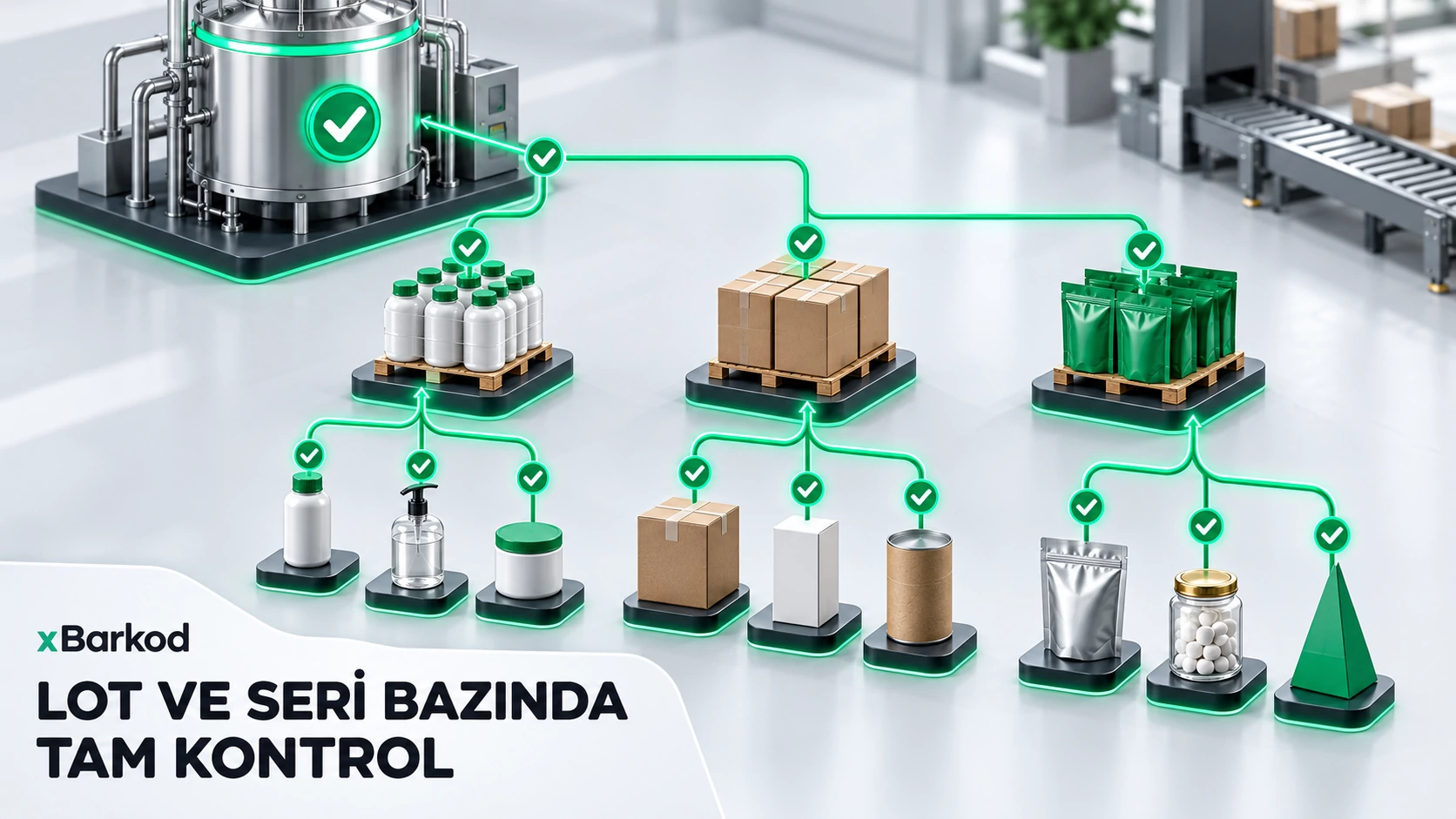
Food Lot Tracking: A Practical Guide from Records to Recall Readiness
Build food lot tracking with current batch rules, linked ingredient-production-dispatch records, recall drills, and item-level authentication controls.

Counterfeit Product Detection Systems: From Signal to Decision
Learn how to build a counterfeit product detection system using item identity, authentication signals, channel records, case review, and a controlled pilot.
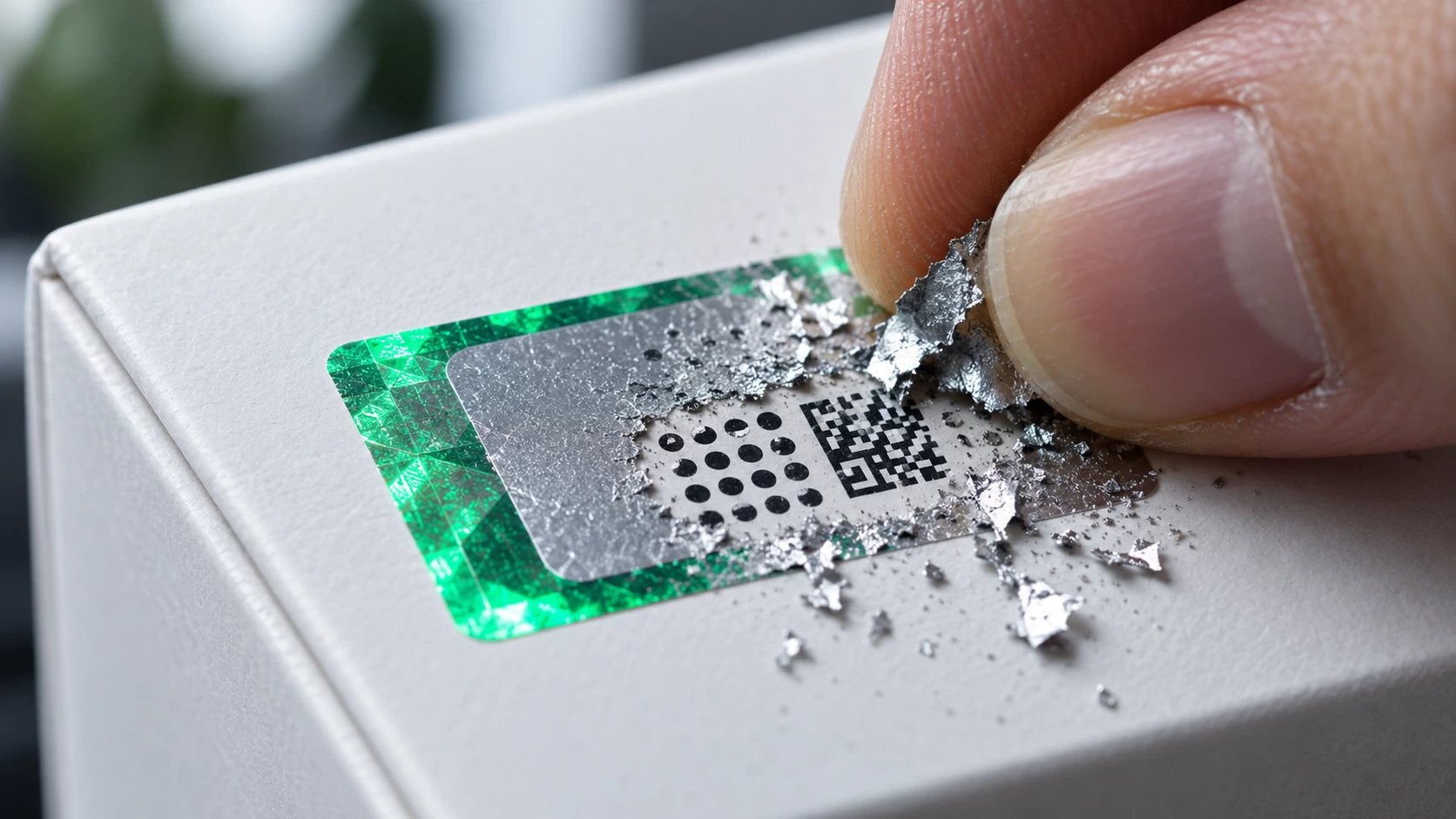
What Is a Product Security Label? Layers, Workflow, and Setup Guide
What is a product security label? Learn how QR codes, scratch-off PINs, packaging controls, dashboard records, and a practical rollout work together.