Counterfeit Product Detection Systems: From Signal to Decision

A counterfeit product detection system is not a label that delivers an unquestionable verdict on its own. A useful system connects trusted product identity, packaging checks, channel records, and authentication activity so that cases requiring review become visible.
For a brand, the objective is not to classify every alert as a counterfeit. It is to bring scattered complaints and verification events into one review process, distinguish explainable use from unresolved risk, and give each case an accountable next step.
What is a counterfeit product detection system?
It is an operating framework for establishing references for genuine goods, collecting field signals, comparing those signals with company records, and routing suspicious cases to the right team. A mark on the package is only an entry point. The decision depends on product, code, packaging, channel, and timing context.
The EUIPO anti-counterfeiting technology glossary separates authentication, tracking and tracing, and anti-tampering functions. This distinction matters because one technology may not perform every function equally well. Selection should start with the risk a business needs to observe.
Which detection signals should be combined?
The first group comes from the physical item. Teams can inspect evidence of opening, label placement, print consistency, batch or serial information, and the match between the product and its packaging. None of these automatically proves a case, but together they can change its priority.
The second group comes from digital authentication. A reviewer may check whether a unique code belongs to a valid product record, whether it has been used before, and when and where a query occurred. A repeat creates a useful alert, but legitimate rechecks and support activity must also be considered.
- Product identity: Does the model, variant, batch, serial, or item-level code match the master record?
- Physical integrity: Are the label and package consistent with the approved application?
- Channel context: Does the seller, order, dealer, or shipment belong to the expected route?
- Authentication history: Can first use, repeats, time, and location be reasonably explained?
- Case evidence: Are photographs, purchase records, samples, and the review outcome kept together?
How should a suspicious record be reviewed?
Begin by preserving the alert and its source. Photographs, a protected reference to the code, proof of purchase, seller details, and authentication time should share one case identifier. If essential information is missing, the system should expose that gap instead of encouraging assumptions.
Next, compare the case with production and distribution records. Confirm whether the code was generated, assigned to the correct item, released for sale, and shipped through the stated channel. If uncertainty remains, request a physical sample, authorised-seller confirmation, or an appropriate specialist review.
- Freeze the alert and initial evidence in one case record.
- Check the product-code-package relationship against the source record.
- Compare seller and shipment context with channel data.
- Test reasonable explanations for repeats, timing, and location.
- Close the case with a defined outcome such as explained, insufficient evidence, confirmed issue, or action required.
- Use recurring findings to improve rules, packaging controls, and team guidance.
Why is a QR code alone not enough?
A QR code that opens a shared web page may deliver information without identifying an individual item. A visible code can also be copied to another package. A security design must therefore define how the code connects to a managed product record and how reuse will be handled.
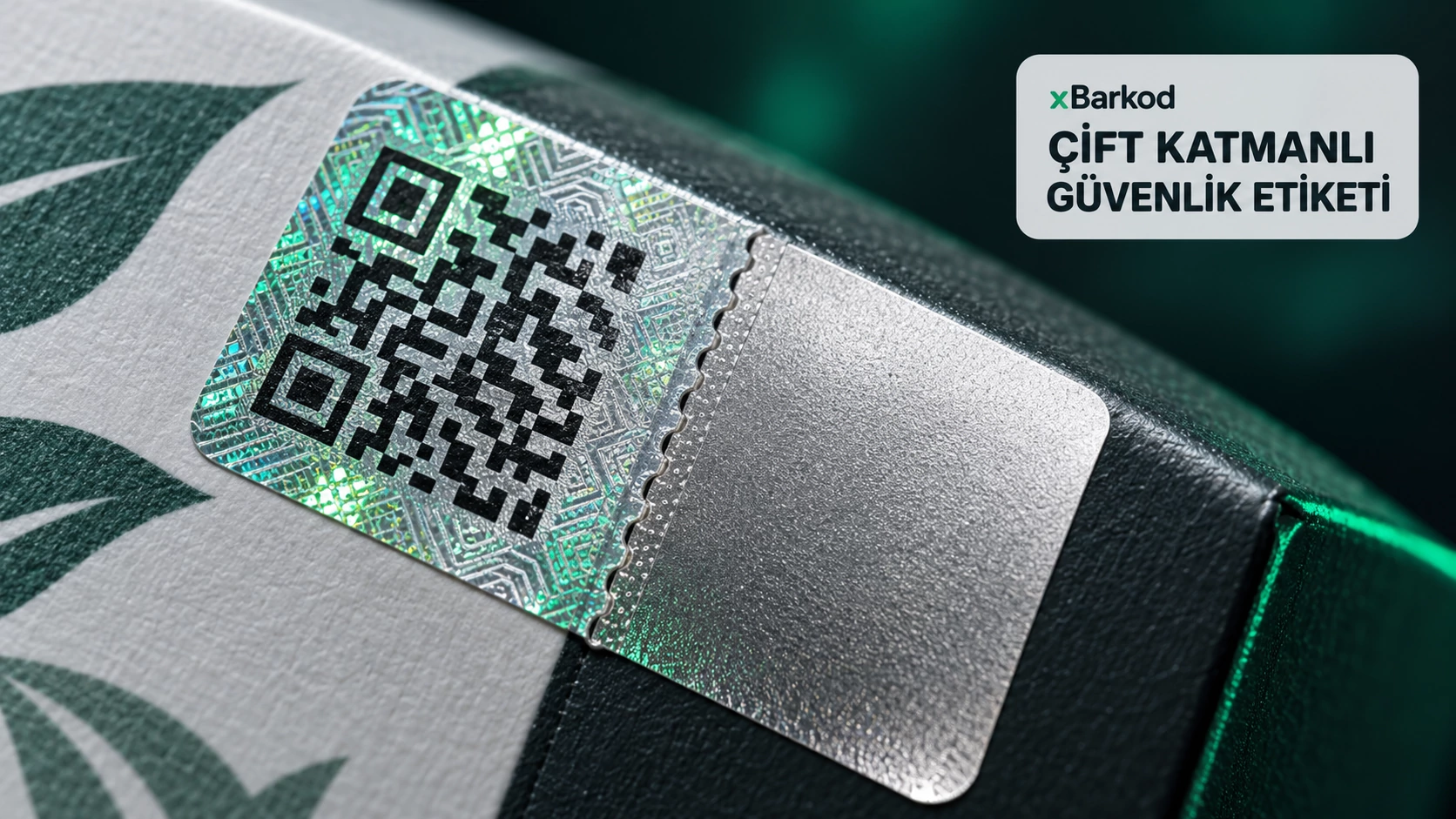
Combining a visible QR code with a unique identity and information concealed until first use adds a separate control. Even then, a remote digital check cannot by itself settle every question about the physical item. The xBarkod guide to copied QR codes explains why a repeat must be interpreted in context.
What should buyers look for in a detection system?
Procurement should begin with a threat model, not a feature count. Is the main risk copied packaging, refilling of genuine containers, diversion outside authorised channels, or invalid warranty claims? Because one tool cannot solve every problem, the desired signal and the owner of the response should be documented first.
WIPO's overview of authentication technologies used against counterfeiting describes overt, hidden, covert, and forensic layers. The appropriate mix depends on item value, packaging, the person performing the check, and what the business can do after an alert.
- Unique records at the item or other required identity level
- Code lifecycle control from generation through activation and cancellation
- History sufficient to distinguish first use from explainable repeats
- A company dashboard with defined roles and permissions
- A method for preserving and exporting case evidence
- Readability and label-durability tests on final packaging
- A documented process for reviewing false alarms and recording decisions
Where does xBarkod fit?
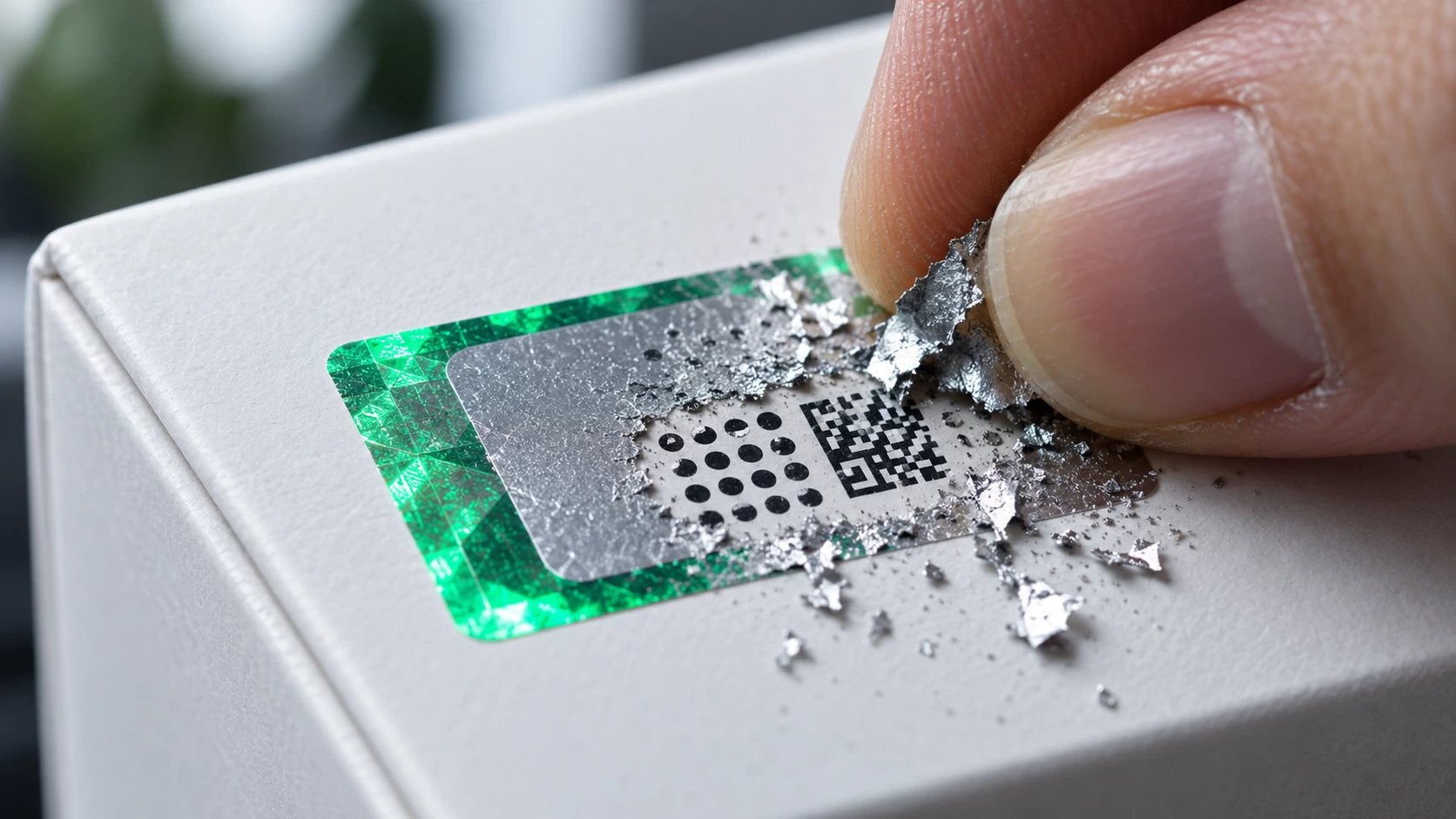
xBarkod supports a unique QR code and concealed scratch-off PIN for each product. A consumer can authenticate through the xBarkod App, while code validity and previous use can be checked. On the company side, authentication events can be reviewed with product, time, and location information.
These capabilities turn a field interaction into a reviewable signal; the brand should still make its product decision using internal records and physical examination when needed. To assess the fit, review the xBarkod product authentication and brand protection system around one product family and a defined case workflow.
How should a pilot be designed?
A pilot should test more than whether a phone can read a code. Include a normal first check, a customer recheck, an incorrect PIN, a previously used code, a cancelled product record, and an unexpected location. Define the expected consumer message, dashboard event, and staff action for every scenario.
Acceptance criteria should use the company's own baseline rather than an unsupported success percentage. Product-code matching, routing to the correct owner, evidence-based closure, and access by authorised roles are measurable controls. The product authentication implementation guide provides a broader planning framework.
What can the system not guarantee?
No system can promise to discover every counterfeit or eliminate counterfeiting. Visibility falls when customers do not authenticate, labels are applied incorrectly, product-code relationships break during production, or teams leave alerts unreviewed.
A risk signal is also not, by itself, a legal conclusion, laboratory result, or certificate of regulatory compliance. Technology should complement supplier controls, online monitoring, customer support, documented investigations, and contact with competent authorities where appropriate.
Frequently asked questions about counterfeit detection systems
Can the system determine with certainty that a product is counterfeit?
A single digital or physical signal is usually not enough for a definitive conclusion. The system prioritises the record; identity, channel documents, packaging, and physical examination may all contribute to the decision.
Is a barcode lookup the same as product authentication?
No. A shared product barcode may identify a class of goods. Item-level authentication connects one product instance to a managed unique record and its use history.
Does using the same code twice prove counterfeiting?
No. A customer recheck, a support task, or a return may explain it. An unexplained repeat is a risk signal to review alongside time, location, order, and product records.
What does a scratch-off PIN add?
It keeps information separate from the visible QR code and concealed until first use. This adds a step against remote copying of only the visible label surface.
Which dashboard data should a company review?
Product identity, code status, first and later checks, time, permitted location data, and case outcome should be read together. Access should be limited to people who need it for their role.
Can the system be added to existing packaging?
A suitable security label may be applied to existing packaging, but surface, curvature, opening path, transport conditions, QR readability, and protection of concealed information must be tested on real samples.
How is a successful pilot measured?
Success means the company's predefined scenarios produce the expected outcome. Product-code matching, alert routing, review timing, evidence integrity, and access control should be confirmed in pilot records.
Conclusion: Build a system that turns alerts into decisions
The value of counterfeit detection is not the volume of alarms. It is the ability to explain a meaningful signal through product and channel records. When physical checks, unique identity, authentication history, and accountable review meet in one process, the brand can respond more consistently.
Start with one product family and a limited channel, then test normal and suspicious scenarios under controlled conditions. Adapt the suspicious authentication review workflow and define who owns each xBarkod pilot alert, which evidence they need, and how the outcome will be recorded.
More Articles
QR Code Authentication for Textile Products: An E-Commerce Brand's Daily Workflow
Learn how an e-commerce textile brand manages QR authentication through product coding, label application, dashboard review, and suspicious-use checks.
What Is a Product Security Label? Layers, Workflow, and Setup Guide
What is a product security label? Learn how QR codes, scratch-off PINs, packaging controls, dashboard records, and a practical rollout work together.

Suspicious Authentication and Anomaly Review: A Daily Workflow for Outsourcing Brands
Learn how an outsourcing brand reviews suspicious authentication through product codes, prior use, time, location, and its own operating records.