Consumer Product Authentication Apps: 9 Selection Criteria for Brands
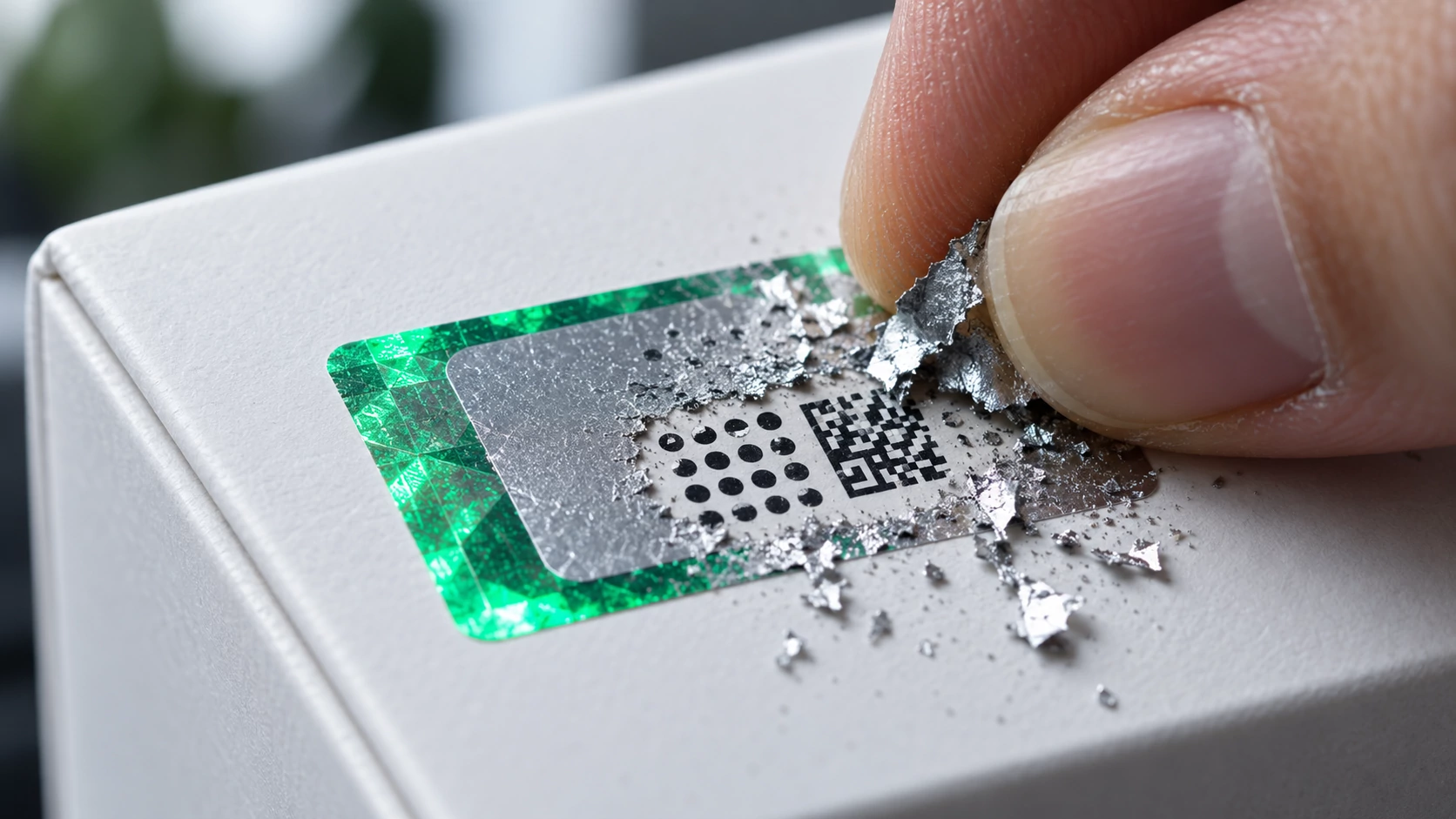
A consumer product authentication app should do more than read a code on packaging. It should compare that code with the correct brand-managed product record, communicate the result clearly, and turn activity that needs review into a usable company-side record. Its value lies in this complete decision flow, not in the scanning screen alone.
App selection therefore cannot be reduced to camera speed or interface design. Brands should assess item-level identity, a concealed control separate from the visible QR code, previous-use information, consumer messaging, support routing, and the event recorded in the company dashboard. The pilot should use real packaging under realistic conditions.
What is a consumer product authentication app?
A consumer product authentication app is a mobile flow that queries a brand-defined identity attached to a physical product and reports a result about that identity. It may check whether the code exists, whether it matches the expected product, and whether it has been used before, based on a record controlled by the brand.
This differs from a generic barcode reader. A shared EAN or GTIN may identify a product class without distinguishing every physical box of the same model. Item-level authentication requires an identity connected to each sales unit and a back-end record that manages that identity throughout its lifecycle.
Why is scanning a QR code not enough?
A QR code is a data carrier; it does not make an authenticity decision by itself. GS1's QR code security guidance explains that QR codes are not inherently secure or insecure and that normal online-safety rules also apply to scanned links.
Because a visible code can be copied, the app should evaluate the product record and use context behind it. The GS1 digital signatures implementation guideline discusses matching an item-level identity with a concealed code on the physical product as an additional authentication layer. That model helps explain the role of a scratch-off PIN separate from the QR code.
xBarkod's guide to copied QR code risk describes the different jobs of the visible code, concealed information, and previous-use checks. The better procurement question is not “Can it scan QR codes?” but “What result and record does it create when an identity has been copied or used before?”
Which 9 selection criteria should brands use?
The evaluation should keep the consumer screen and company operation in the same scope. Brands can weight the following criteria for their product and sector, but no single feature should be treated as a guarantee of authenticity.
- Item-level identity: An identity that distinguishes physical units of the same model and is not reassigned.
- Concealed second control: A PIN or comparable security element kept separate from the visible QR code until first use.
- Clear result messages: Language that distinguishes valid, previously used, mismatched, and unavailable outcomes.
- Previous-use visibility: A flow that identifies a repeat without frightening the consumer or declaring a counterfeit prematurely.
- Product association: A brand record showing that the code belongs to the expected product or family.
- Company event record: A dashboard that supports review using product, time, and permitted location context.
- Support routing: A visible, safe next step when the result is uncertain or suspicious.
- Privacy and permission clarity: A clear purpose for collected data, requested permissions, and alternative paths.
- Pilot and lifecycle handling: Testable rules for activation, cancellation, scrap, returns, replacement, and support.
Use these criteria as acceptance tests rather than a feature checklist. Any capability described by a provider should be demonstrated on the real product, and the consumer-facing message should be compared with the company-side record for the same scenario.
How should the consumer journey be designed?
The journey begins on the package. A user should understand which code to scan, why the scratch-off area exists, and how the app relates to the brand. If the security code is confused with a promotional QR code, or if the PIN can easily be exposed before purchase, the flow is weakened before the app opens.
The result screen should offer more than a colored approval icon. It should identify the checked product, explain the code status, and provide a next step when needed. A “previously used” result should not automatically become a counterfeit verdict; the consumer may have rechecked the item, returned it, or asked support to review it.
For an uncertain result, the consumer can be told to retain the label, product, and proof of purchase and contact an official support channel. The brand must connect that message to a case process that customer support can actually operate. Otherwise, the app generates an alarm without providing a resolution path.
Which records are needed in the company dashboard?
The consumer result is only the visible side of the decision. The company should be able to review the authenticated product identity, first or later use, time, permitted location, and event outcome together. These fields create evidence for comparison with order and channel records, but they do not prove a counterfeit by themselves.
Signals such as repeated use, unexpected location, and product mismatch should remain distinct. The team should record the observed event, plausible explanations, evidence to request, case owner, and closure result. The xBarkod guide to reviewing reused product codes shows this distinction in an e-commerce workflow.
A dashboard should be judged by how well it supports an explainable decision, not by the number of charts it displays. When quality, customer support, and brand-protection teams use the same event vocabulary, similar signals are less likely to receive conflicting interpretations.
How should privacy and trust be protected?
The app should not make data unnecessary for authentication mandatory. If location or contact information is used, the purpose, permission, and company-side use should be understandable. The pilot should also show what happens when the consumer declines an optional permission.
- Make the app developer and relationship to the brand visible.
- Explain why camera, location, or notification permissions are requested.
- Display an official support route on the result screen.
- Avoid making unnecessary personal data a condition of authentication.
- Have the brand verify the scanned domain and app-store listing.
These controls are not merely legal-document exercises. They support consumer trust. If users cannot tell which brand they are interacting with or whom to contact after a suspicious result, the experience remains incomplete even when the technical query works correctly.
Where does xBarkod fit in this evaluation?
The xBarkod product authentication and brand protection system supports a unique QR code and concealed scratch-off PIN for each product. A consumer scans the QR code and enters the PIN in the xBarkod App to check code validity and previous-use status. The company can review authentication activity with product, time, and location information in its dashboard.
These verified functions allow the visible code, concealed control, consumer result, and company record to be tested in one pilot. A practical starting point is one product family on real packaging, using valid first use, incorrect PIN, legitimate repeat, and unexplained repeat scenarios. The xBarkod security label selection guide complements the physical label decision.
Which scenarios should a pilot test?
The purpose of a pilot is not to generate the largest possible volume of codes. It is to prove the decision chain between consumer and company. Tests should cover different phones, packaging surfaces, lighting conditions, and support paths. Test identities should also be kept separate from real customer records.
- First use with the correct QR code and concealed PIN
- Incorrect or incomplete PIN entry for a valid QR code
- A legitimate repeat check of the same code
- A code associated with the wrong product or package
- A query for a cancelled, scrapped, returned, or replaced identity
- Flows with and without optional location permission
- Routing from a suspicious result to the official support process
- Consistency between the consumer message and dashboard event
Acceptance criteria should be observable: Does the correct product appear? Is the message understandable? Can the dashboard distinguish repeated use? Can support take ownership of the case? These behaviors are more defensible than unsupported promises about business outcomes or counterfeit rates.
What are the boundaries of an authentication app?
A product authentication app checks the relationship between a brand-registered code and product record. It does not independently test ingredients, technical performance, regulatory conformity, or safe use. Those questions require their own official records, evidence, and specialist controls.
A valid result does not mean that every risk has disappeared. Correct label application, secure code management, scrap and return handling, customer support, and suspicious-event review remain operational responsibilities. The app should create a manageable authentication trail, not be presented as a substitute for those controls.
Frequently asked questions about consumer product authentication apps
Can a generic QR reader prove that a product is genuine?
No. A generic reader opens the link or text encoded in the QR code. Authentication requires the code to be matched with a brand-managed product record, its use status to be checked, and the result to be communicated through a trusted flow.
Can a product be authenticated without downloading an app?
That depends on the solution design. Some systems use a web flow and others use a dedicated app. The brand should evaluate security layers, user friction, permissions, and support together and select the model appropriate to its product risk.
What does a scratch-off PIN add to the app?
It conceals information separate from the visible QR code until first use. This adds a control against copying only the visible code, although correct label application and previous-use review are still required.
Is a previously used code definitely counterfeit?
No. Rechecks, returns, service, and support can provide legitimate explanations. Previous use is a risk signal to review with product, time, location, and sales records.
Should location permission be mandatory?
The need for location depends on the use case and solution design. The brand should explain the purpose and test how authentication works when permission is declined. Unnecessary data collection can weaken trust in the flow.
Does the xBarkod App test the contents of a product?
No. xBarkod checks the validity and previous-use status of a code registered by the brand. Product contents, technical characteristics, and regulatory conformity require separate evidence and controls.
Conclusion: Select a decision flow, not just a scanner
A capable consumer product authentication app connects item identity, a concealed control, clear results, previous-use information, the company event record, and support routing. If the brand evaluates only the consumer screen, responsibility and evidence for investigating a suspicious signal will remain unclear.
Before expanding, run a pilot on real packaging for one product family. Verify first use, incorrect PIN, legitimate repeat, returns, and suspicious repeat in both the consumer app and company dashboard, then scale only when the evidence is consistent.
More Articles
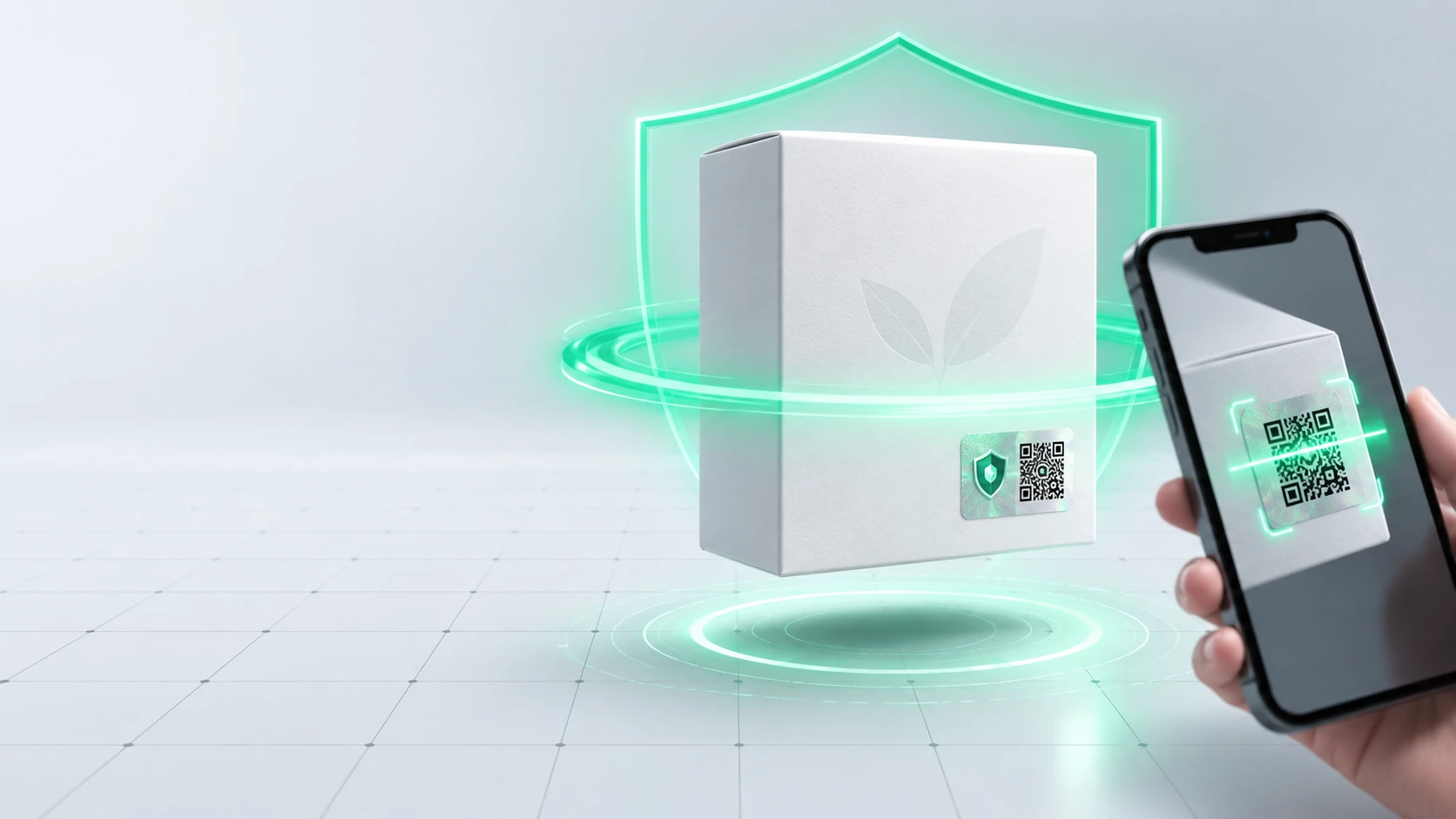
Battery Product Authentication: Identity, Channels, and Passport Boundaries
Plan battery product authentication correctly by separating model, batch, serial, item codes, channel evidence, and EU battery passport requirements.

How to Prevent Counterfeit Products: 8 Lifecycle Controls
Learn how brands can prevent counterfeit products with eight practical controls spanning suppliers, packaging, unique identity, channels, and incident review.
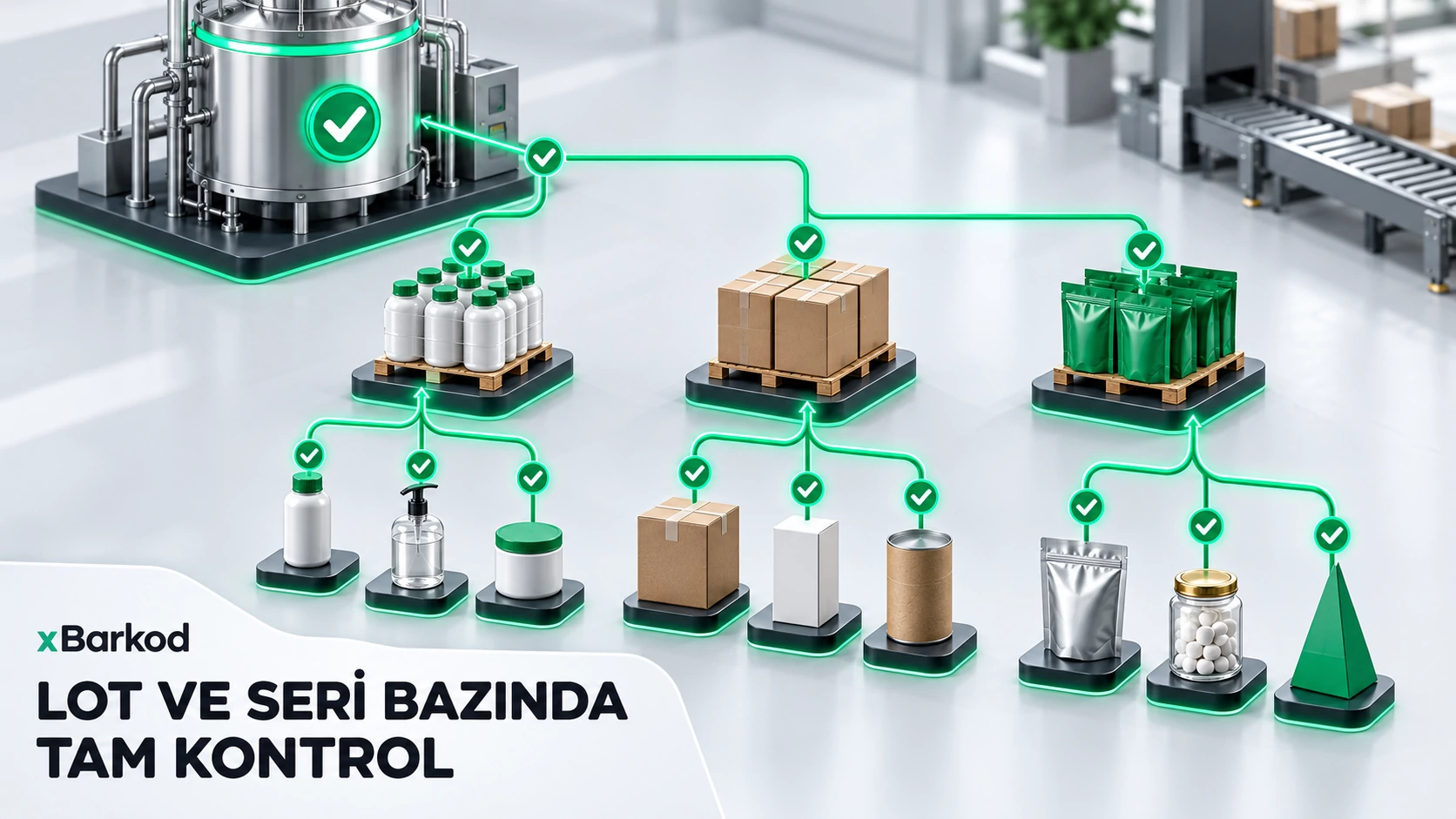
Food Lot Tracking: A Practical Guide from Records to Recall Readiness
Build food lot tracking with current batch rules, linked ingredient-production-dispatch records, recall drills, and item-level authentication controls.