Battery Product Authentication: Identity, Channels, and Passport Boundaries

Battery product authentication is not simply a way to display a model name. It connects a physical battery or accumulator to a record controlled by the manufacturer, importer, or brand. A sound design assigns separate jobs to model, batch, serial, and item-level authentication identifiers.
This structure can let a customer check a product while giving the brand a record of prior code use and unusual authentication activity. It does not replace technical conformity evidence, warranty approval, or a regulated battery passport. Those boundaries should be defined before labels, codes, or integrations are selected.
What is battery product authentication?
A battery product authentication system checks an identity attached to a specific physical product or sales unit against a record managed by the brand. A customer or business queries the code, and the system returns information such as validity, product association, and prior use. The brand can retain the event for review.
The important question is not merely whether a QR code was scanned. It is which product, production record, and expected channel the code represents. One shared QR link may open product information, but it cannot distinguish one battery from every other unit of the same model.
What do model, batch, serial, and item codes identify?
These identifiers are not interchangeable. A model code can identify a product type, a batch can connect a production group, and a serial number can distinguish one unit. An item-level authentication code can additionally connect a customer check and code-use history to the managed record.
- Model: Identifies a common product family, not one physical unit.
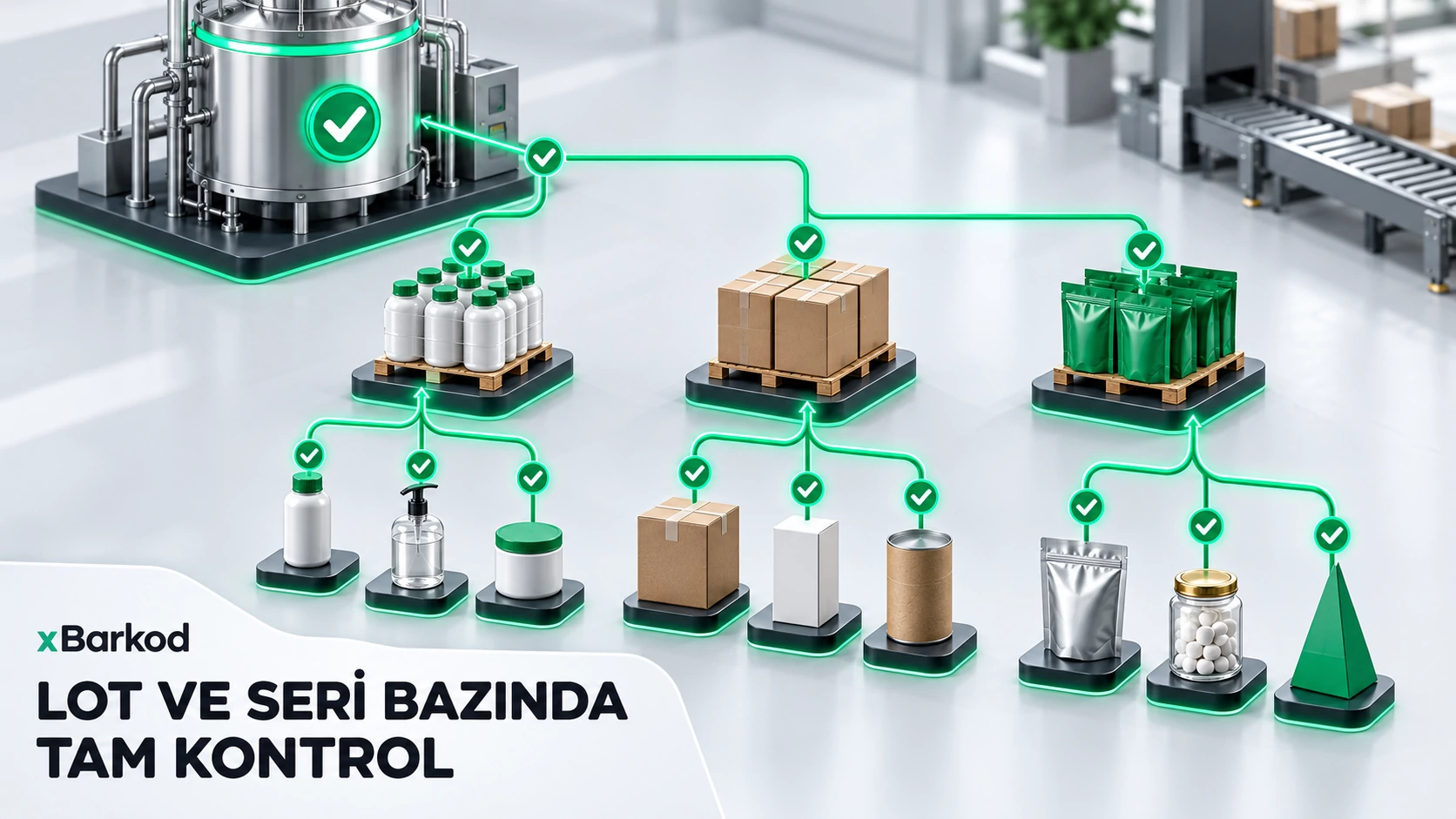
- Batch or lot: Connects a group made or processed together to its record chain.
- Serial number: May associate one unit with manufacturing, service, or warranty records.
- Item authentication code: Connects the customer query and previous-use status to a managed identity.
- Concealed PIN: Keeps information separate from the visible QR code hidden until first use.
The GS1 Global Traceability Standard distinguishes class-, lot-, and instance-level identification because they provide different degrees of visibility. The practical distinction is also explained in xBarkod's batch and serial-level tracking guide.
Is product authentication the same as a battery passport?
No. Product authentication focuses on checking a brand-managed physical product identity and communicating a result to a customer or business. A regulated battery passport is a different electronic record with a defined legal scope, required data, access rights, and technical operating rules.
The EU Batteries Regulation 2023/1542 requires a battery passport from 18 February 2027 for light means of transport batteries, industrial batteries above 2 kWh, and electric vehicle batteries placed on the EU market or put into service. That rule does not automatically place every battery in the same category.
An exporting brand should therefore not infer compliance merely because a product carries a QR code. It should confirm the obligations for the product and destination market, then define data ownership and integration where authentication and regulated passport information need to interact. Product-specific legal advice may still be required.
How should the identity architecture be designed?
Start with decisions, not technology. Customer authenticity checks, service-team serial searches, distributor receiving controls, and regulatory data access are different use cases. Each should receive only the identity, data, and permission required for that task.
- Define the product family, packaging layer, and sales unit to protect.
- Decide which system creates the model, batch, serial, and item identifiers.
- Verify the code-to-product association during manufacturing or packing.
- Write rules for activation, cancellation, scrap, returns, and replacement.
- Use one event vocabulary for customer results and internal case review.
Preserving identity after generation matters, but closing invalid or unused codes is equally important. If printing a label and activating a saleable product are treated as the same event, scrap, repacking, or cancelled orders can create misleading signals in the authentication record.
How should the label connect to the physical battery?
A battery, its retail package, its shipping carton, and the surface reached during service may all be different. Label placement should be tested on the real product for customer access, surface compatibility, abrasion, contamination, removal, and packaging changes. A clean desk scan does not represent every field condition.
If the code appears only on the outer box, processes that separate the box from the product need an explicit rule. When the battery already has a manufacturer serial number, the business should record when and how it is associated with the authentication identity. The electronics authenticity guide offers a useful package-versus-device framework.
How do channel and warranty records support authentication?
An authentication event alone does not explain where a product came from. It becomes more useful when reviewed with the expected distributor, dispatch date, dealer, order, and service record. A brand does not have to record every movement; it should select the evidence depth needed for the product and channel risk.
A first check in an unexpected region, for example, can be a review candidate without proving channel diversion. Travel, gifts, resale, or unavailable location permission may offer ordinary explanations. The distributor product tracking guide shows how dispatch evidence and field signals serve different roles.
How should suspicious authentication activity be reviewed?
A repeated query does not by itself prove a counterfeit. A customer may recheck the product, contact support, return it, or present it for service. Review should combine the first and later use times, approximate location, product record, sales channel, and customer explanation.
A good case record does not begin by labelling the product counterfeit. It separates the observed signal, plausible explanations, evidence to collect, decision owner, and closure outcome. This protects the customer from a premature accusation and helps the team make consistent decisions across similar cases.
Where does xBarkod fit?
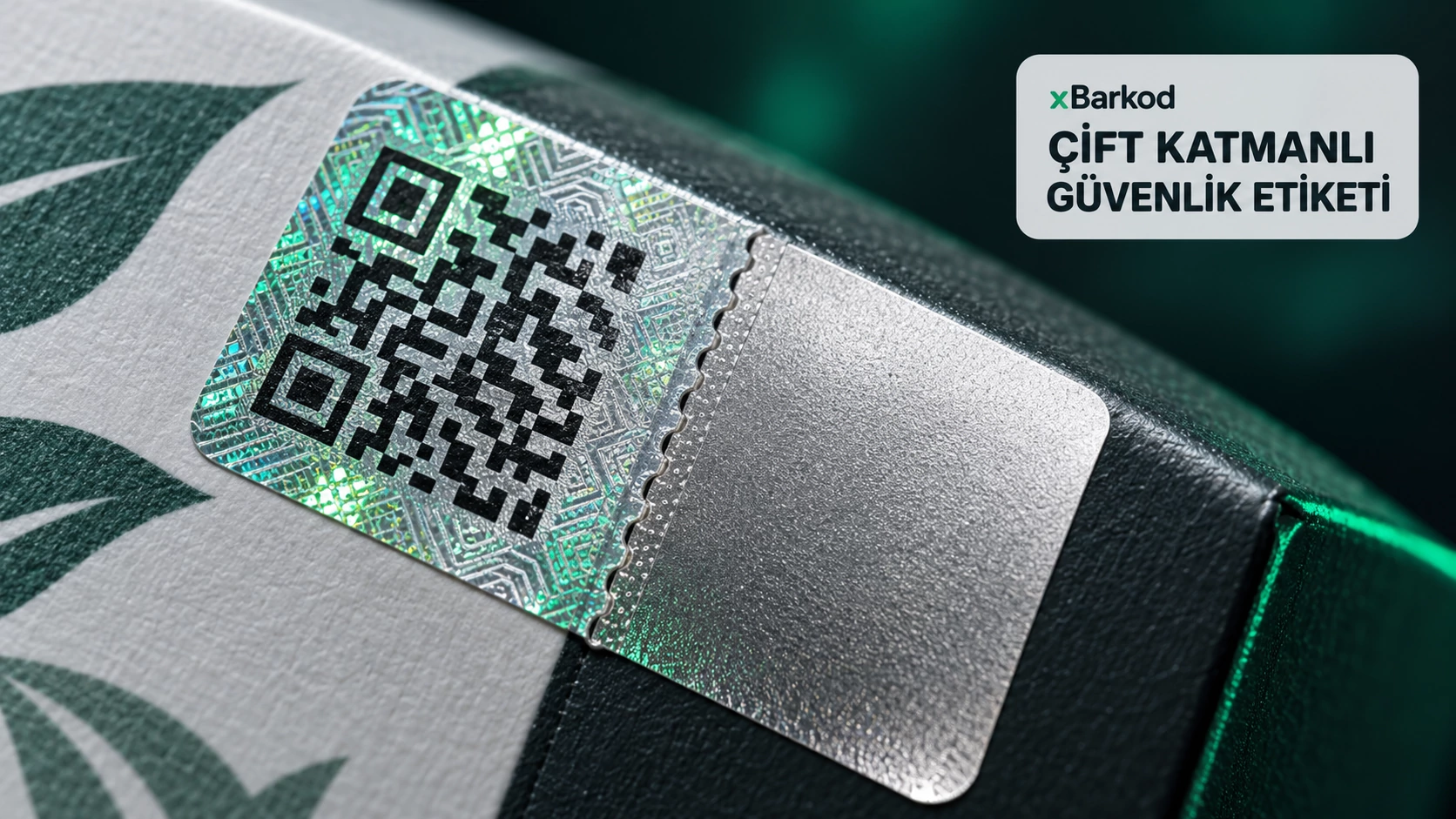
The xBarkod product authentication system supports a unique QR code and concealed scratch-off PIN for each product. Customers can check the code with the xBarkod App, including its validity and prior-use status, while the company can review authentication activity with product, time, and location information in its dashboard.
These functions can create a structured connection between customer authentication and internal review for battery brands. xBarkod does not test technical conformity, measure battery performance, or automatically constitute an EU battery passport. It should be evaluated for the defined authentication task, not presented as a substitute for those separate controls.
What should a pilot test?
A pilot is not a contest to code the largest number of products. Its purpose is to prove that identity and decision flows work from end to end. One product family, real packaging, a limited channel, and predefined normal and suspicious scenarios provide a practical starting point.
- Correct and incorrect code-to-product associations
- QR scanning and concealed PIN entry
- First-use and legitimate-repeat messages
- Status handling for scrap, cancellation, returns, and replacement
- Product, time, and location visibility in the dashboard
- Routing an alert to support, quality, or brand-protection owners
- Maintaining the data boundary with passport and enterprise systems
Acceptance criteria should describe observable behavior rather than promise a business result. Does the code open the right record? Is a mismatch detected? Does the customer understand the message? Can the team identify the case owner? Evidence from these checks should govern any expansion.
What are the system boundaries?
An authentication record does not independently verify cell chemistry, capacity, manufacturing quality, or safety performance. It shows how a brand-managed code relates to the expected product record and use history. Technical and regulatory assessments require their own appropriate evidence.
A unique code is not impossible to copy either. A concealed PIN, prior-use check, reliable product association, and case review should work together against copying of the visible surface. The defensible goal is to make misuse harder and unexplained activity more visible, not to promise absolute protection.
Frequently asked questions about battery product authentication
Does a serial number prove that a battery is genuine?
Not by itself. A serial number may connect a unit to a manufacturer's record, but a copied, misapplied, or unmanaged number is not conclusive. Packaging, channel, product records, and authentication history should be reviewed together.
Does every battery need a different QR code?
Each sales unit needs a different identity when the brand wants item-level authentication and use history. One shared QR code can open model information or a general page, but it cannot distinguish physical units.
Why use a scratch-off PIN?
A scratch-off area conceals information separate from the visible QR code until first use. It adds a control against copying only the visible surface, although reliable application and use-history review remain necessary.
Is a battery passport the same as an authenticity check?
No. A battery passport is an electronic record with a defined regulatory scope and dataset. Authentication manages a brand's product identity and check event. The presence of a QR code does not make the two systems equivalent.
Does repeated authentication mean the product is counterfeit?
No. Rechecks, service, and returns can be legitimate. An unexplained repeat is a risk signal to investigate with time, location, sales, and product records.
Does xBarkod verify battery specifications?
No. xBarkod checks the validity and previous-use status of a product code registered by the brand. Capacity, cell chemistry, technical performance, and regulatory conformity require separate evidence and testing.
Conclusion: Separate identity, channel, and obligation
Battery product authentication works when model, batch, serial, item code, and concealed PIN have distinct responsibilities. The physical label, product record, channel expectation, and review process should meet in one design, while regulated records such as a battery passport retain their own scope.
Start with one product family and test correct association, first use, legitimate repeat, returns, and suspicious activity on real packaging. Use that pilot to measure xBarkod's verified capabilities and expand only when the evidence supports the next step.
More Articles

How to Prevent Counterfeit Products: 8 Lifecycle Controls
Learn how brands can prevent counterfeit products with eight practical controls spanning suppliers, packaging, unique identity, channels, and incident review.
Food Lot Tracking: A Practical Guide from Records to Recall Readiness
Build food lot tracking with current batch rules, linked ingredient-production-dispatch records, recall drills, and item-level authentication controls.
QR Code Authentication for Textile Products: An E-Commerce Brand's Daily Workflow
Learn how an e-commerce textile brand manages QR authentication through product coding, label application, dashboard review, and suspicious-use checks.