Suspicious Authentication and Anomaly Review: A Daily Workflow for Outsourcing Brands

Suspicious authentication and anomaly review does not mean treating one alert as a verdict on a product. For a brand that outsources manufacturing, the everyday value comes from making each unique code event visible, checking whether the code has been used before, and reviewing records that need an explanation through a consistent brand-side process.
When another facility handles production, the code on the package must remain consistent with the product record in the company dashboard. If coding, label application, customer authentication, and incident review are disconnected, it becomes difficult to determine which physical item a dashboard event actually represents.
This article does not present a customer story or promise an outcome. It translates verified xBarkod capabilities into an operational workflow: a unique QR code and concealed PIN for each product, prior-use checks, time and location visibility, and the ability to follow suspicious activity from the company dashboard.
Where does the brand-side experience begin?
The experience starts before a customer scans anything. The brand should define the product name, packaging format, and security label in the same operating record. The application instruction sent to the contract manufacturer and the product record created in the dashboard need to describe the same item.
xBarkod supports an authentication flow built around a unique QR code and a scratch-off secret PIN for each product. The visible QR code begins the scan, while the PIN remains concealed until use. The practical benefit for the brand is that each label can be associated with its own authentication event instead of relying only on a shared product barcode.
That distinction does not turn every dashboard event into proof of a counterfeit. It gives the brand a reviewable product identity. When a support request arrives, the team can examine the system record and use history alongside the package information rather than relying on an image alone.
How should the product-to-code link be protected during setup?
In outsourced manufacturing, the brand needs clear ownership of where each security label will be used. A label applied to the wrong product, or an unclear application record, makes later authentication activity harder to interpret. Coding should therefore be part of package approval, not an isolated printing task.
The essential setup checks include:
- Confirm that the dashboard record matches the approved product and package
- Keep the QR code readable and the scratch-off PIN concealed before use
- Identify the intended product group in the manufacturer's application instruction
- Keep damaged, rejected, or unused labels outside the usable flow
- Name the person responsible for reviewing dashboard activity on the brand side
These checks are not meant to create a heavy reporting burden. Their purpose is to keep the physical package and digital record connected in a way that daily teams can understand. A dependable link makes each dashboard event a more useful input for review.
What does customer authentication become for the brand?
The customer scans the QR code through the xBarkod App and enters the PIN beneath the scratch-off area. The system checks whether the code matches a valid brand-defined record and evaluates the PIN's use status. The customer sees the result, while the authentication event is recorded in the company dashboard.
For the brand, that record connects a customer interaction with a product identity. An event shown with product, time, and location information can be reviewed alongside support, dispatch, and channel records. The everyday benefit is a common authentication trail for examining otherwise scattered reports.
The result does not analyse the contents of the physical item or prove the entire supply chain. It reports the status of the security code on the package. Keeping this boundary clear leads to better customer communication and more disciplined internal decisions.
Which dashboard signals should be read together?
A daily review should combine the product record, prior-use information, time, and location rather than focusing on one field. Repeated use deserves attention, but legitimate explanations may include a customer rechecking the product, a support conversation, or a return process.
Location is not a verdict either. Permission settings, network conditions, travel, gifts, and resale can affect the context. The brand should use location as a signal for comparing activity with dispatch and sales-channel records, not as automatic proof of wrongdoing.
Time helps establish the order of events. An authentication before expected distribution, unexpectedly repeated activity in distant places, or a record that conflicts with a support request may need review. Even then, the decision should rely on the wider set of company records, not the dashboard signal alone.
How should suspicious activity be reviewed?
The first step is to confirm the product record connected to the code. The reviewer then checks prior use, time, and location. Comparing the dashboard event with contract-manufacturing, dispatch, order, return, and customer-support records helps determine whether the activity has a reasonable explanation.
A practical brand-side sequence is:
- Confirm that the code belongs to the correct product and package record
- Review prior use and the order of authentication events
- Compare the location with the expected sales or distribution channel
- Check whether a return, exchange, or support contact explains the activity
- Escalate unexplained records with the supporting context kept together
This workflow avoids blaming the customer or manufacturer before the evidence is reviewed. The dashboard provides a starting point. A final product decision may also require the physical package, proof of purchase, and other business records. Separating a suspicious signal from a confirmed violation reduces the risk of an inappropriate response.
Why is an anomaly signal not a final decision?
An anomaly is an event that departs from the expected pattern and needs an explanation. Reuse of the same code in different locations, authentication at an unexpected point in the product journey, or a prior-use status that conflicts with the customer's account can all prompt review. None proves a counterfeit by itself.
A sound brand experience is based on collecting context instead of assigning the same weight to every signal. Consistent manufacturing and dispatch records may reveal an ordinary explanation. When no explanation is available, the event can move to physical inspection or channel review.
How should duties be divided with the contract manufacturer?
The contract manufacturer's core duty is to apply the approved security label to the correct product and package position, keep unused labels out of the production flow, and follow the agreed application instruction. The brand owns the product record, customer-facing authentication message, and review of suspicious dashboard activity.
This division does not require broad access to the company dashboard. The brand should decide which team can view each record and where a mismatch is escalated. Physical production issues and market authentication signals can then enter the same responsibility chain without blurring access or accountability.
Brand-side review notes can remain concise and consistent: the product record, observed event, company records compared, and the decision taken. This format makes it easier to find the earlier reasoning if similar activity appears again.
How can the daily review remain manageable?
Value does not come from keeping the dashboard open continuously. A useful routine has a named owner and a clear purpose. Records that need explanation are reviewed, matched with support contacts, and escalated when unresolved. The routine should be treated as a product-security task rather than a sales-performance report.
These questions provide a practical starting point:
- Is the event connected to the correct product record?
- Does the code show prior use?
- Do time and location fit the dispatch or order record?
- Can a return or support interaction explain the activity?
- Is there an owner and a next step for an unexplained record?
The questions turn visibility into action. The brand does not need to make every authentication a separate incident. It can concentrate deeper review on events that remain unexplained after relevant context is checked. The verified capabilities then support everyday visibility and consistent decisions.
Where does xBarkod fit into this operating model?
xBarkod provides a unique QR code and concealed scratch-off PIN for each product, authentication through the xBarkod App, a check of prior code use, and company-dashboard visibility into product, time, location, and suspicious activity. The brand combines these capabilities with its own manufacturing, dispatch, and support records.
The practical contribution is to turn a security code on a physical package into a reviewable digital event. The guide to product authentication dashboard reports explains how to read related fields, while the code reuse workflow examines the context needed around prior use.
When assessing setup, review product-to-code matching, label application, customer authentication, and dashboard investigation within one product group. The goal is not an absolute promise. It is an operating flow that makes activity requiring explanation more visible and manageable within the existing outsourcing model.
Frequently asked questions about suspicious authentication and anomaly review
Does reuse of the same code prove that a product is counterfeit?
No. Reuse is a signal that deserves attention. A customer recheck, return, or support process should be examined before a final product decision is made.
Does location alone prove a channel violation?
No. Location must be assessed with dispatch, sales-channel, and order records. An unexpected place can start a review, but it is not proof of a violation by itself.
What does a scratch-off PIN add to daily use?
It adds authentication information concealed until use beside the visible QR code. The system checks its status and makes prior use visible to the user and the brand.
Must the contract manufacturer manage the company dashboard?
No. The brand can retain dashboard review. The manufacturer's role can focus on applying the approved label to the correct product and protecting the agreed application record.
Should the brand give an immediate negative answer when activity looks suspicious?
No. Product record, use history, time, location, order, and support context should be reviewed first. Any customer communication should reflect the limits of the available evidence.
Will the authentication dashboard find every counterfeit product?
No. The dashboard makes authentication activity that reaches the system visible. It supports, but does not replace, physical inspection, channel monitoring, and other brand-protection controls.
Conclusion: Record the signal and decide with context
For a brand that outsources manufacturing, suspicious authentication management starts with a reliable product-to-code link. Customer authentication makes product, prior-use, time, and location information visible in the dashboard. Activity that needs explanation can then be reviewed with manufacturing, dispatch, order, return, and support records.
Assess xBarkod's verified coding, QR and scratch-off PIN authentication, use-status checks, and dashboard visibility within the way the brand already operates. Setup that defines the product-code link and responsibilities from the start makes it easier to notice suspicious use without turning a signal into a verdict.
More Articles
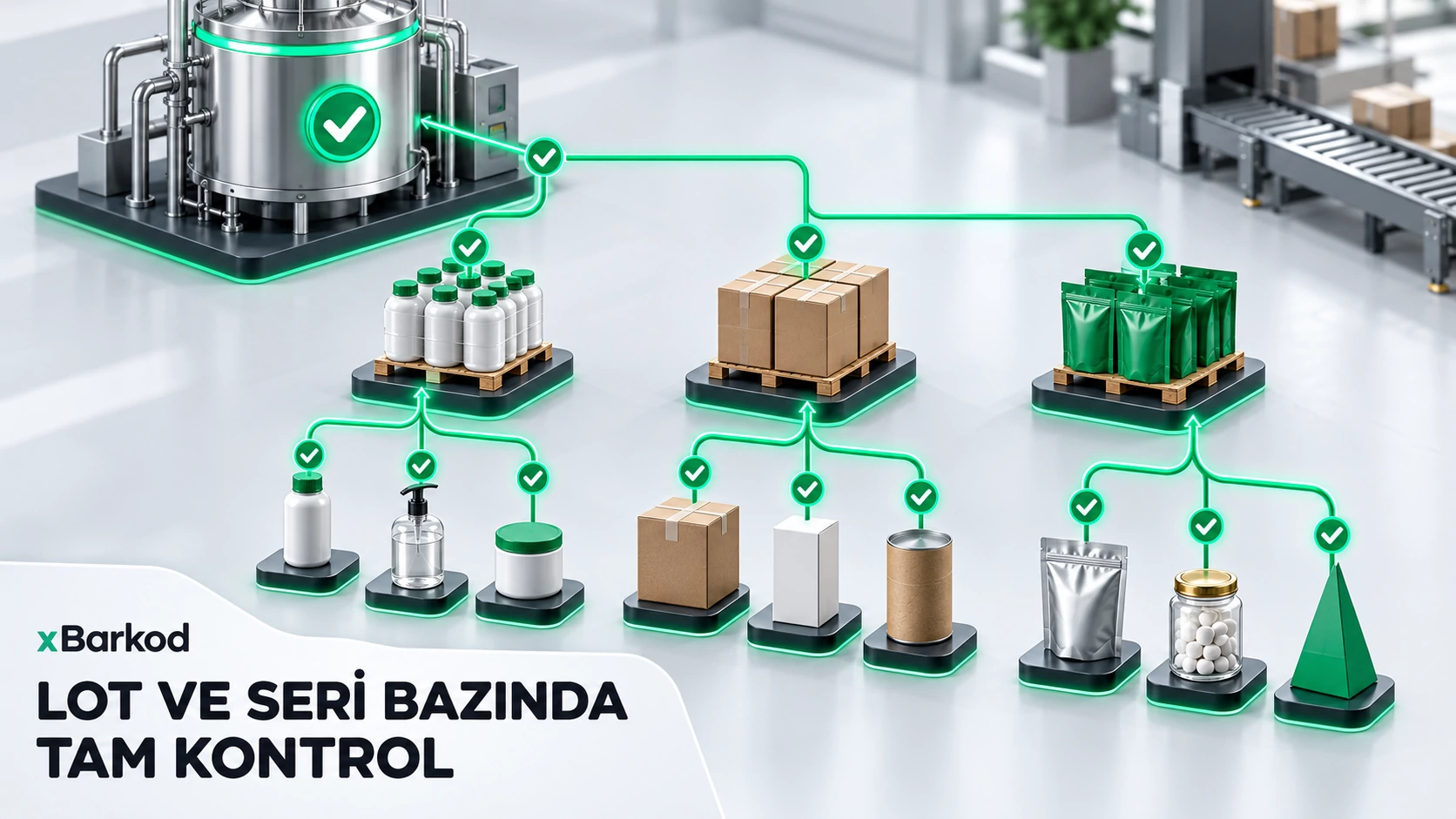
Food Lot Tracking: A Practical Guide from Records to Recall Readiness
Build food lot tracking with current batch rules, linked ingredient-production-dispatch records, recall drills, and item-level authentication controls.
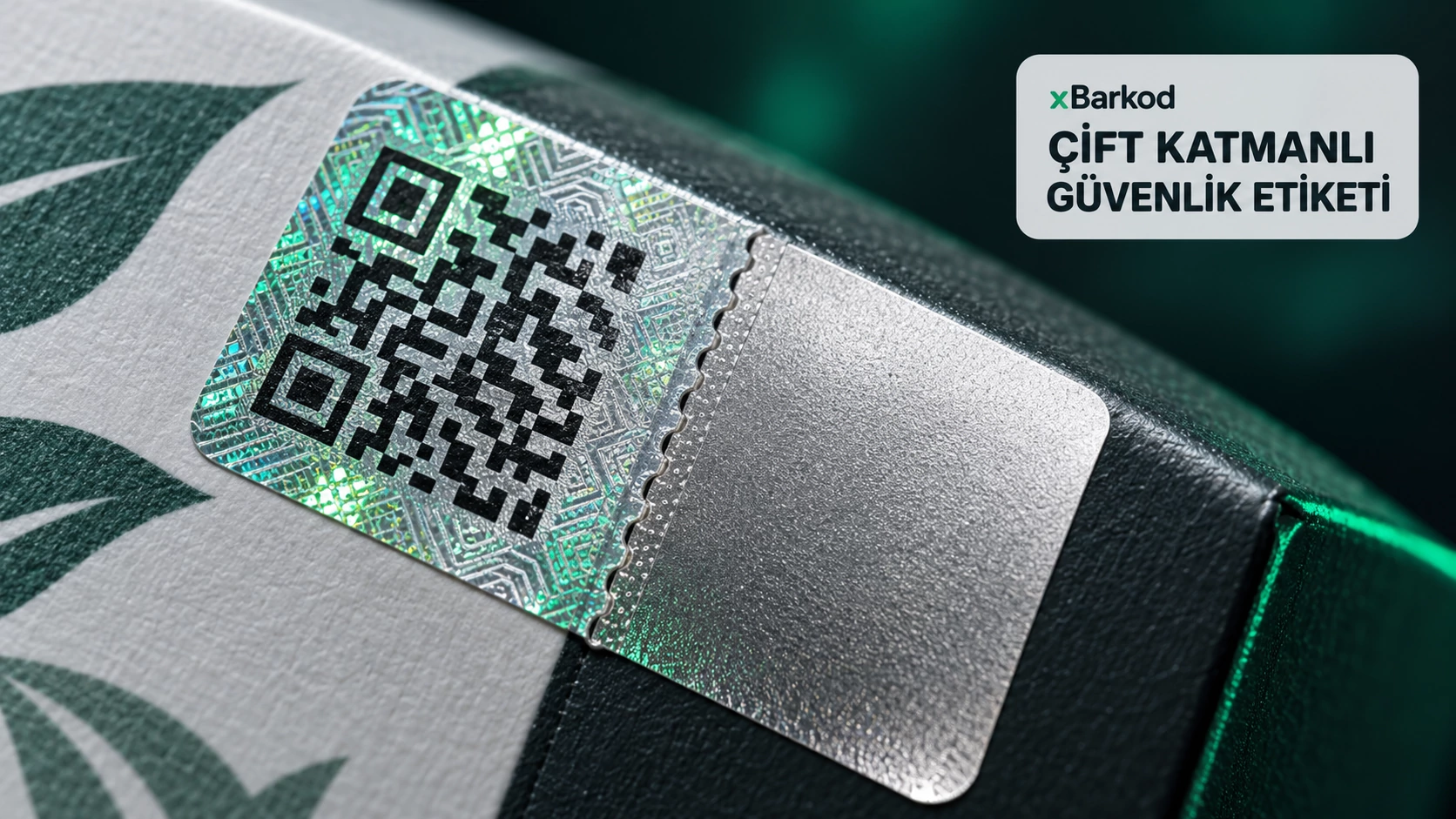
QR Code Authentication for Textile Products: An E-Commerce Brand's Daily Workflow
Learn how an e-commerce textile brand manages QR authentication through product coding, label application, dashboard review, and suspicious-use checks.

Counterfeit Product Detection Systems: From Signal to Decision
Learn how to build a counterfeit product detection system using item identity, authentication signals, channel records, case review, and a controlled pilot.