How Counterfeit Products Damage Brand Reputation: A Response Guide

Counterfeit products damage brand reputation through more than diverted sales. Customers often cannot identify the source of a poor experience, so low quality, safety concerns, and inadequate support may be attributed directly to the genuine brand. Counterfeiting is therefore not only a trademark issue for the legal team. It is an operational risk affecting revenue, customer service, dealer relationships, quality, and crisis communication. A useful response must extend beyond removing a listing after a complaint.
Why does a counterfeit experience harm the genuine brand?
Customers make decisions from packaging, logos, and sales listings. When they do not know that an item is counterfeit, they may interpret poor performance as the brand's standard. Early failure, an unexpected reaction, or an incompatible electronic component can all generate a complaint against the genuine business.
This mistaken attribution reaches reviews, returns, and support conversations. The brand spends time investigating an item it did not manufacture. Authorized dealers may face price comparisons with uncontrolled channels. The consequence is broader than one diverted transaction: uncertainty slows purchasing decisions and weakens perceived value.
Which business outcomes can follow?
| Risk area | Visible signal | Business effect |
|---|---|---|
| Customer confidence | More questions about what is genuine | Hesitation during purchase |
| Customer service | Complaints with unclear origin | Longer reviews and support workload |
| Dealer network | Unexplained price gaps and listings | Lower authorized-channel confidence |
| Quality perception | Experience inconsistent with standards | Negative reviews and lower repeat intent |
| Operations | Unknown product origin | Slow, fragmented response |
It is also wrong to classify every negative review as a counterfeit. Genuine manufacturing issues, transit damage, and misuse require the same disciplined investigation. Authentication is one evidence layer used with batch, invoice, seller, and customer information.
Where can brands collect counterfeit signals?
- Authenticity questions received by customer service
- Listings with price differences that normal channel conditions cannot explain
- Inconsistent packaging, labels, or serial information
- One product identity repeatedly used across locations
- Sales reports concentrated outside the authorized dealer network
- Authentication for a product or batch not yet shipped
- Repeated quality complaints in marketplace and social channels
Signals should not remain isolated by department. Customer service sees the complaint, sales understands dealer activity, quality evaluates the item and batch, and legal determines documentation needs. Without a shared incident record, teams repeatedly investigate the same problem.
How should an initial response process work?
- Define the reporting channel: Give customers an official and secure place to send product and seller information.
- Check product identity: Review code, batch, packaging version, and authentication history.
- Verify the sales route: Compare dealer, distributor, or marketplace information with shipment records.
- Classify risk: Define levels for isolated suspicion, repeated identity, regional concentration, and safety impact.
- Assign the right team: Separate quality, legal, sales, and communication duties by incident type.
- Record the outcome: Preserve whether the event was a false alert, operating error, or suspected counterfeit.
Customer communication is critical. A warning should not accuse or create unnecessary panic. Explain what the result means, what information is needed, and which safe next step the customer should take.
How does authentication support reputation?
Authentication lets a brand give customers a practical check instead of asking for trust without evidence. A unique product identity and concealed factor move the decision beyond packaging appearance. Time, location, and repeat information can also help teams connect scattered reports.
The value continues after an alert. Customer service can respond consistently, sales can review channel activity, and quality can connect the report to the correct batch. Reputation management becomes a continuous control process rather than a statement issued only during a crisis.
What should brands avoid in communication?
- Declaring every unusual authentication a confirmed counterfeit
- Publicly accusing a seller or manufacturer before verification
- Promising a guaranteed outcome
- Automatically treating genuine quality complaints as counterfeits
- Requesting unnecessary personal data
- Hiding a security warning behind a promotional message
The brand voice should guide rather than defend. Customers need to understand that a check is available, a suspicious result will be reviewed, and an official support channel is open.
Which indicators help teams monitor reputation risk?
Total scans alone do not measure success. Teams can monitor completed authentications, previous-use warnings, regional repetition, authenticity-related support records, investigation time, and reports outside authorized channels. These are not confirmed counterfeit rates; they identify where attention may be required.
Record the existing complaint volume and response time before a pilot. After launch, ask whether cases are classified more consistently, investigated faster, and routed through the correct customer channel. Reputation is a long-term outcome; the earliest benefit is often a more disciplined response.
What does xBarkod add to the process?
The xBarkod product authentication and brand protection infrastructure supports unique QR codes with scratch-off PINs, consumer authentication, and company-panel review. Previous use, time, location, and unusual activity provide shared context for brand, quality, and operations teams.
Begin with a product family that has recurring authenticity questions or a complex channel structure. Test customer messages, support routing, and internal incident handling together with the label.
A practical plan for the first 30 days
In week one, combine complaint channels and existing incident records. In week two, begin an identity and authentication pilot for one product family. In week three, test customer-service messages and internal routing with realistic scenarios. In week four, review repeat alerts, investigation time, and unresolved cases together.
The objective is not to announce a counterfeit rate after one month. It is to learn which data the brand can reach, who makes each decision, and whether customers receive consistent guidance. Expand products and channels after closing the first process gaps.
Frequently Asked Questions
Can a negative review prove a counterfeit sale?
No. A genuine quality problem or misuse can produce the same complaint. The product, identity, batch, and seller should be reviewed together.
Will authentication create more positive reviews?
No specific outcome can be promised. It can support trust by giving customers a check and helping the brand respond more consistently.
Does every item need a unique identity?
If the objective is to review item-level use and repetition, a unique identity is necessary. A general QR code cannot provide that distinction.
Should dealers see authentication data?
That depends on the permission model. Dealers should receive only the access required for their tasks while the brand retains overall control.
Should one suspicious code trigger a recall?
A single signal may not support an automatic decision. Safety concerns require the appropriate experts and official processes; other cases still need prompt evidence review.
Can the brand show a campaign after authentication?
Yes, when the security result remains clear and primary. Commercial content should not obscure a warning, and required permissions should be respected.
Conclusion: protect reputation with a visible process
A brand is strongest when it can investigate quickly and give customers a consistent path. Connecting product identity, authentication activity, sales channels, and incident records turns reputation management from a reactive message into an operating process. In an xBarkod pilot, test the complete path from warning to resolution, not only the label.
More Articles

How to Prevent Counterfeit Products: 8 Lifecycle Controls
Learn how brands can prevent counterfeit products with eight practical controls spanning suppliers, packaging, unique identity, channels, and incident review.
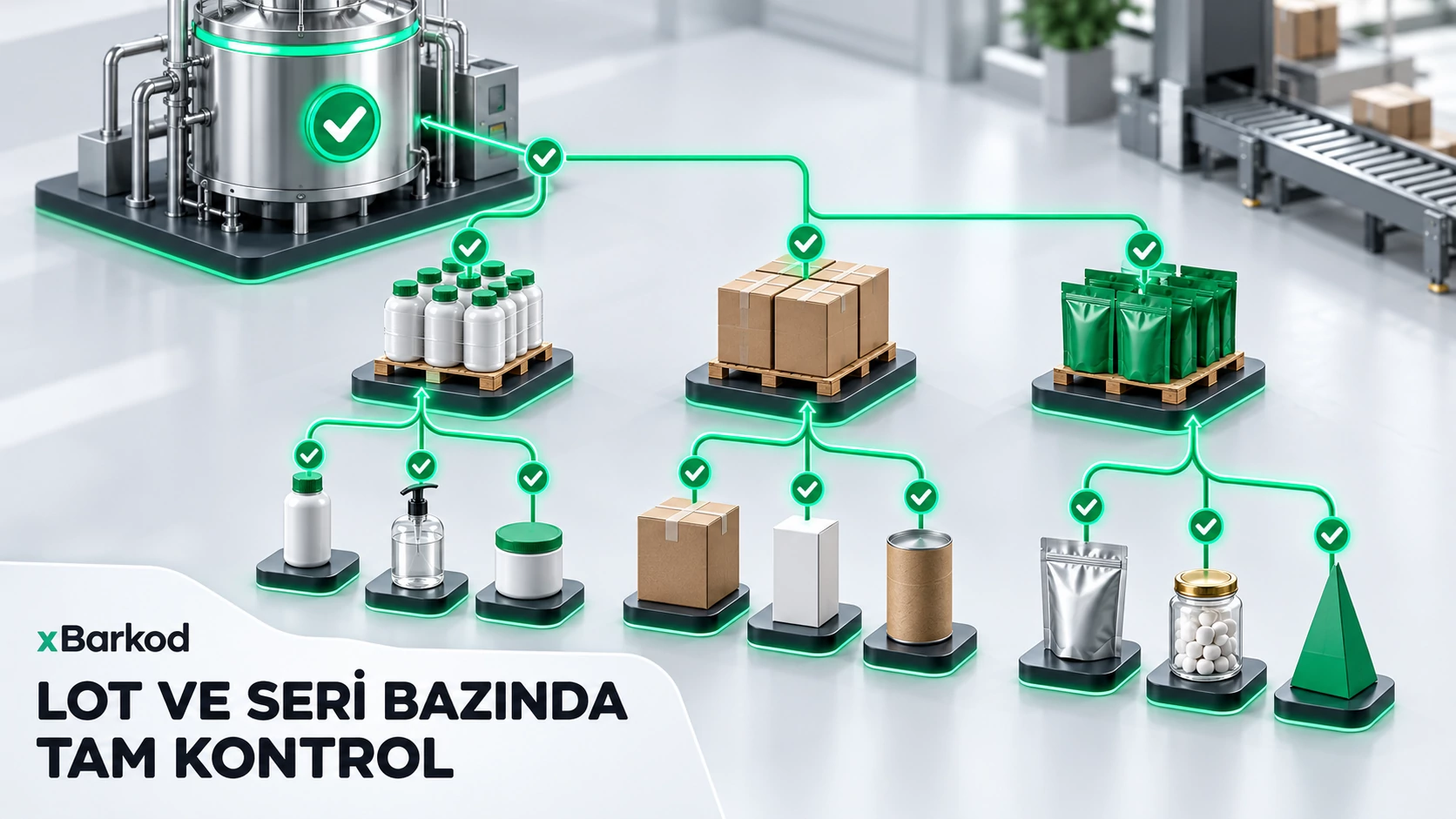
Food Lot Tracking: A Practical Guide from Records to Recall Readiness
Build food lot tracking with current batch rules, linked ingredient-production-dispatch records, recall drills, and item-level authentication controls.
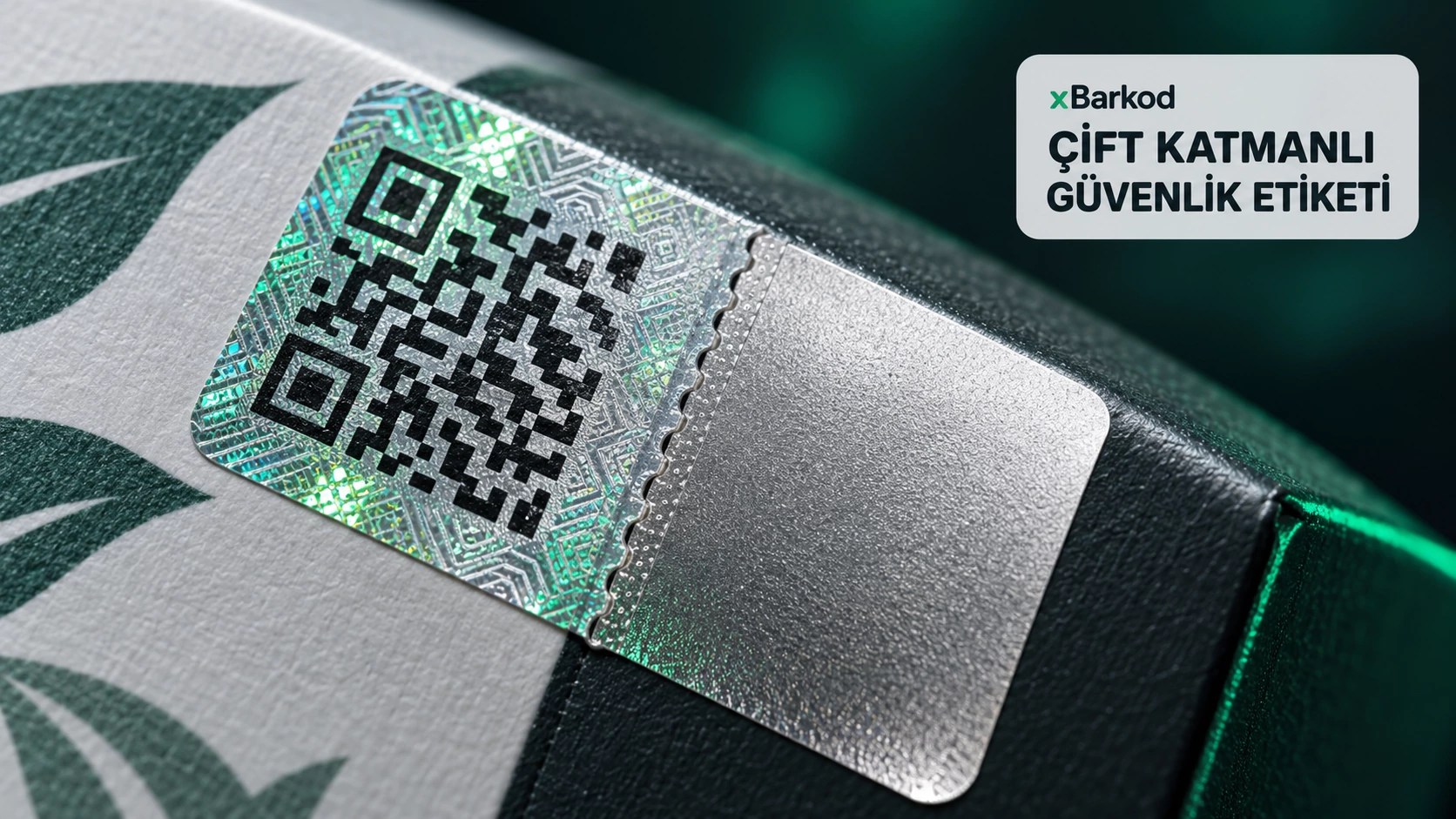
QR Code Authentication for Textile Products: An E-Commerce Brand's Daily Workflow
Learn how an e-commerce textile brand manages QR authentication through product coding, label application, dashboard review, and suspicious-use checks.