What Happens If a QR Code Is Copied? Adding a Second Security Layer
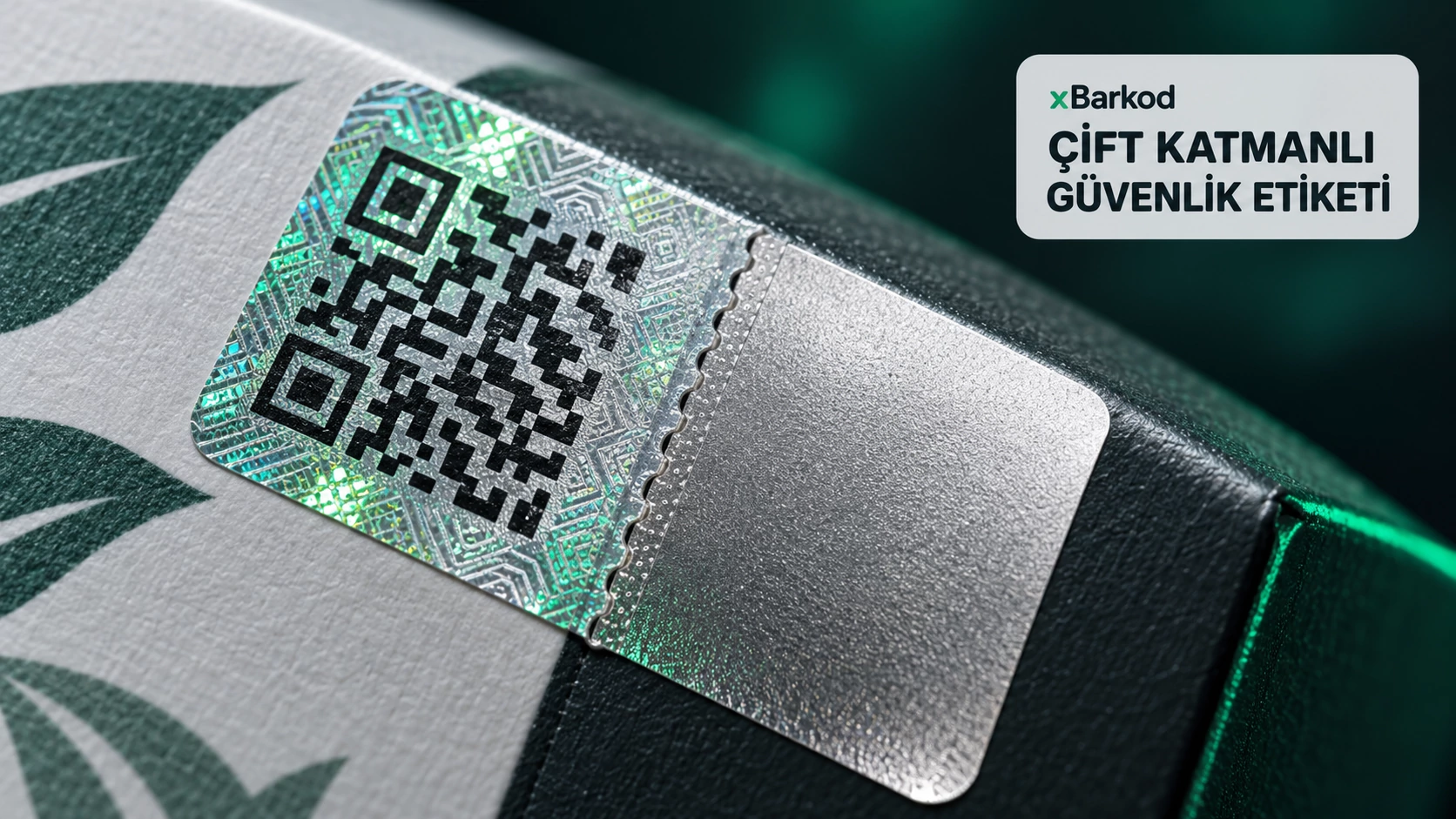
If a QR code on product packaging is copied, a counterfeit package may open the genuine brand page when the code is only a standard link. The presence of a QR code alone therefore does not prove that the physical item is authentic. A stronger product authentication design combines a unique identity for every item, a concealed PIN, previous-use checks, and monitoring for suspicious repetition. The useful question for a brand is not “Do we have a QR code?” but “How will our system react when someone copies and reuses it?”
Why can a standard QR code be copied?
A QR code stores information in a visible graphic pattern. A pattern printed on the outside of a package can be photographed, scanned, and reproduced. If it contains the same public product-page URL on every unit, the original and copied graphics lead to the same destination. A customer may see the correct website and assume that the counterfeit package is genuine.
The weakness is not the QR format itself. QR codes provide a convenient way to move from a physical package to a digital experience. The weakness appears when open, identical information is treated as an item-level identity without a database or a second authentication factor.
What changes when every item has a unique QR code?
A unique code connects each scan to a specific digital record. The system can evaluate the first authentication, later repetitions, and location context where appropriate. Repeated use in distant regions or at an unusual frequency can become a signal for the brand to review.
A unique QR graphic remains visible, so it can still be copied from a genuine item. A counterfeiter might print that image on many packages. The first customer could receive a normal result, while later customers encounter a previous-use warning. This is why an authentication service should evaluate usage history rather than displaying only a generic “valid code” message.
Why is a scratch-off PIN a second layer?
A scratch-off PIN conceals information until purchase or use. When a customer scans the QR code and then enters the PIN, authentication relies on two elements: the visible code and information protected under the scratch layer. Copying the QR image is no longer enough to complete the entire process.
| Scenario | Standard QR | QR plus concealed PIN |
|---|---|---|
| The code is photographed | The same public page may open | Full authentication needs the concealed PIN |
| The graphic is printed on many packages | Repetition may be invisible | Use history and repeat events can be reviewed |
| The customer checks the product | A general page appears | An item-specific result and use status can appear |
The concealed element must also be protected operationally. Security weakens when unused labels are left uncontrolled, codes leave the approved process, or the scratch layer can be removed and reapplied. Label delivery, inventory counts, waste records, and destruction procedures matter as much as the software.
How does a copied code create a signal?
- Record the first use: The system stores when the item identity was authenticated.
- Compare the next request: A later authentication is evaluated against previous activity.
- Review time and location: Unusual frequency across distant areas may indicate risk.
- Show an appropriate customer message: The user receives a clear explanation that the code has previous activity.
- Send a signal to the brand: Authorized teams investigate it alongside dealer, distribution, or complaint data.
An anomaly does not automatically mean that a product is counterfeit. A customer may scan twice, a retailer may perform a check, or a returned product may re-enter the workflow. The alert is a starting point for a contextual review, not an automatic verdict.
Which operating rules should the brand define?
- Who receives and counts security labels?
- How is each code connected to a product or production batch?
- How are damaged and unused labels destroyed?
- How is the code on a returned product handled before resale?
- What should customer service say after a previous-use warning?
- Which team investigates suspicious events, and within what period?
- What information is shared with dealers and distributors?
Without written procedures, even an accurate warning can produce inconsistent responses. Quality, operations, legal, brand protection, and customer service responsibilities should be agreed during the pilot stage.
A checklist for selecting a QR security solution
Ask whether the system creates a unique identity for every item, uses a concealed factor, and explains previous authentication activity. A company panel should provide more than a total scan count. Filters that show product, time, location, and repetition help operations teams understand what requires attention.
The label must be tested on the actual package. Curved surfaces, cold-chain conditions, moisture, friction, or the way a customer opens the item can affect performance. Test pilot labels on the line, in storage, and under realistic use conditions instead of approving them only on a desk.
How does xBarkod address copied-code risk?
The xBarkod brand protection infrastructure combines an item-specific QR code with a scratch-off PIN. The customer scans the code and enters the concealed PIN to receive an authentication result. Previous use, time, and location context can support the company's review of repeated or unusual activity.
Select one product family and create controlled copy scenarios during evaluation. Scan the same code on different devices, test damaged-label handling, and review customer-service responses. This reveals real operating behavior before the program expands.
Frequently Asked Questions
Will a copied QR code open the genuine website?
It can. If the QR contains a fixed public URL, the copied image opens the same destination. Reaching the correct site does not establish the identity of the physical item.
Can a unique QR code still be copied?
Yes, the graphic remains visible. Its advantage is that it connects to a distinct record, allowing the system to observe previous and repeated use.
Can a scratch-off PIN be copied?
A PIN can be misused if it is exposed. The scratch layer limits access before purchase, while label inventory and production controls protect it on the company side.
Does every repeat scan mean a counterfeit?
No. Customer retries, returns, and retailer checks can create repeats. Teams should evaluate time, location, and operational context together.
What should a customer do after a warning?
The customer should contact the brand through its approved support channel and provide the product and purchase details requested by the company. The process should avoid unnecessary personal data.
Can a security label be added to existing packaging?
It often can, but adhesion, scratch performance, placement, and line speed should be confirmed with a real packaging pilot.
Conclusion: secure the authentication workflow, not only the QR graphic
The response to copying is not to abandon QR codes. It is to combine them with unique identities, concealed information, usage history, and a defined investigation procedure. Review the xBarkod approach through a controlled pilot and test copied-code and repeat-use scenarios before expanding the program.
More Articles

How to Prevent Counterfeit Products: 8 Lifecycle Controls
Learn how brands can prevent counterfeit products with eight practical controls spanning suppliers, packaging, unique identity, channels, and incident review.
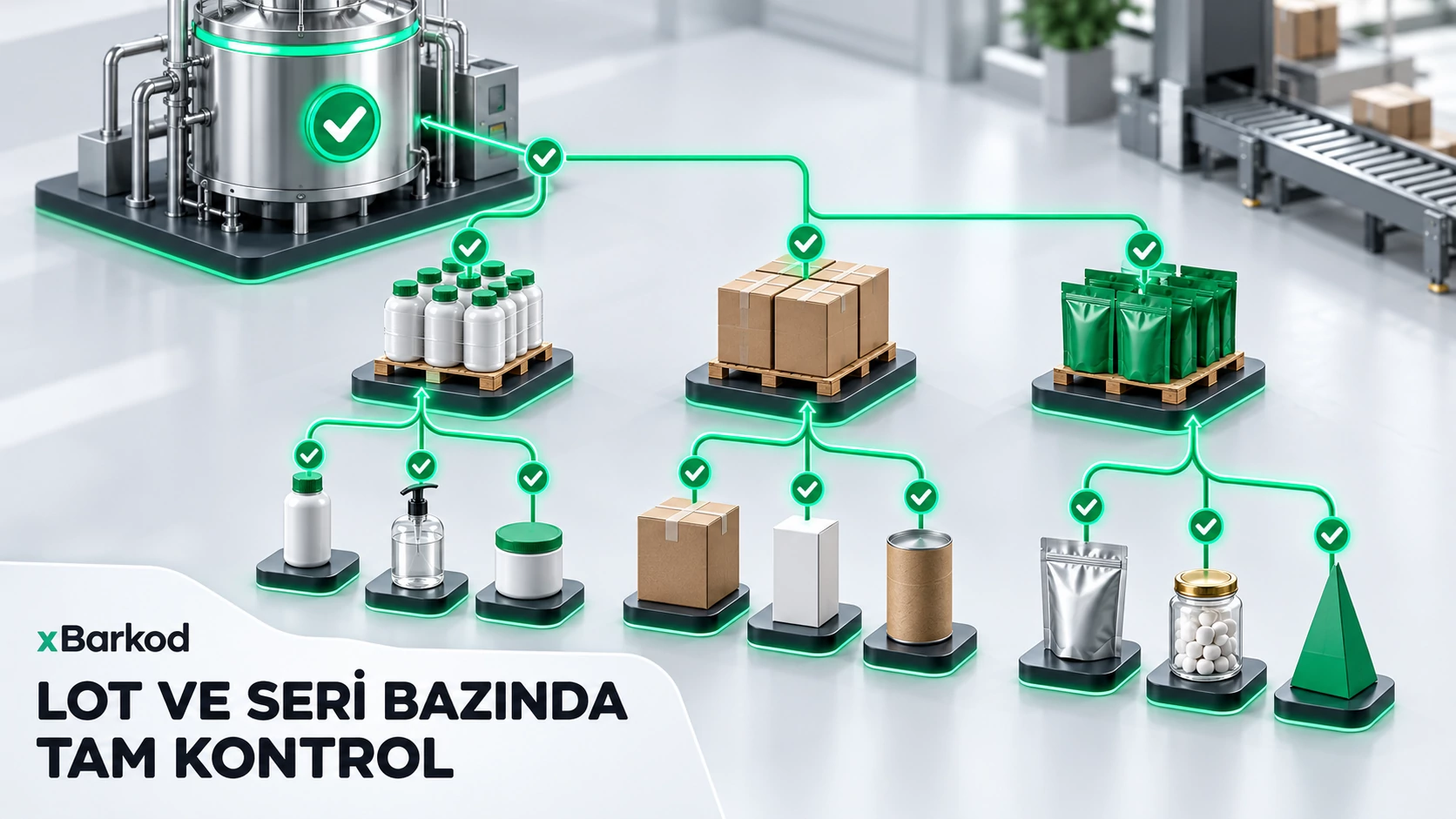
Food Lot Tracking: A Practical Guide from Records to Recall Readiness
Build food lot tracking with current batch rules, linked ingredient-production-dispatch records, recall drills, and item-level authentication controls.
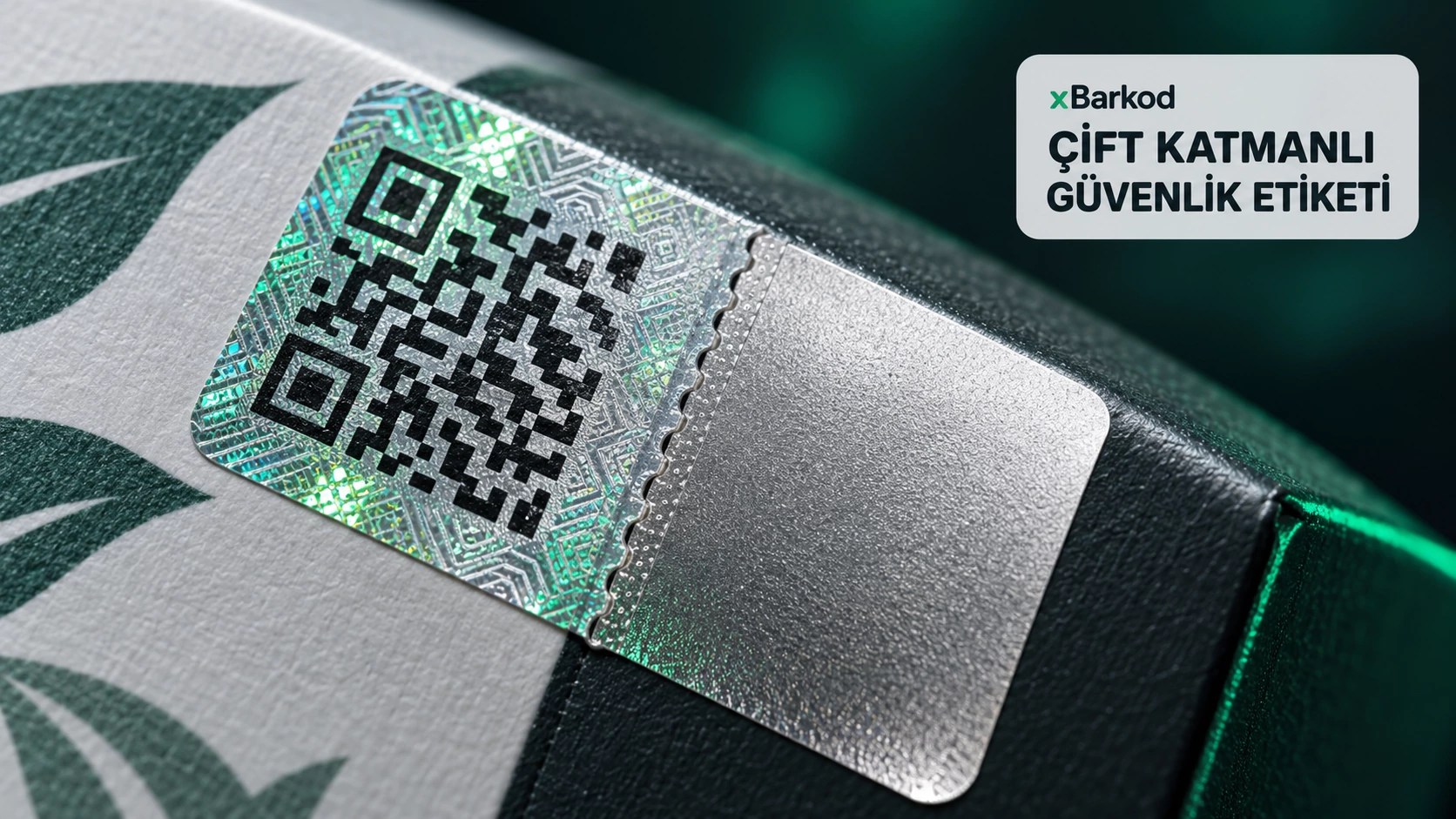
QR Code Authentication for Textile Products: An E-Commerce Brand's Daily Workflow
Learn how an e-commerce textile brand manages QR authentication through product coding, label application, dashboard review, and suspicious-use checks.