Batch and Serial-Level Product Tracking: Differences, Uses, and Setup
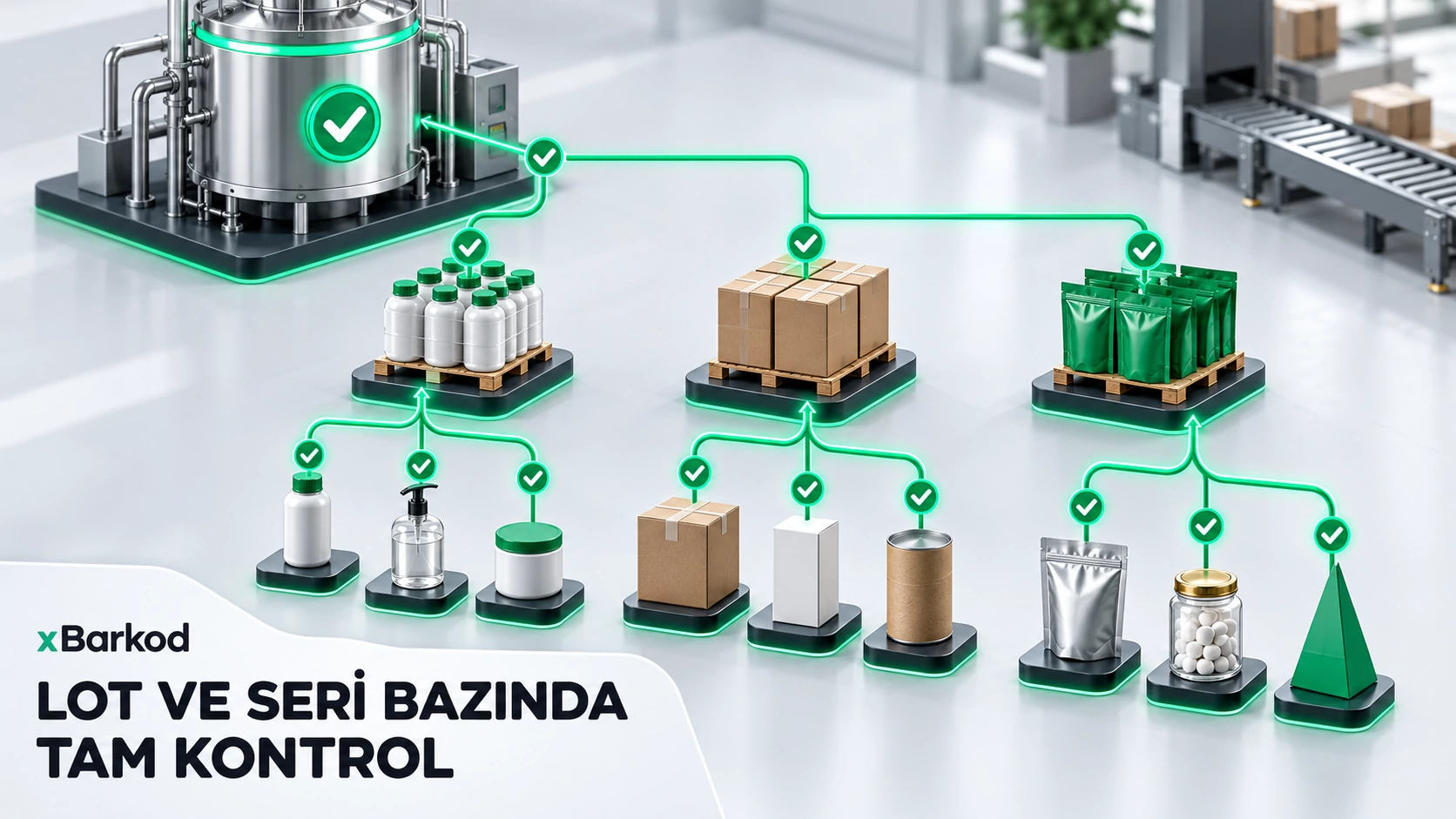
Batch-level tracking follows a group of products that share production conditions, while serial-level tracking gives every item a distinct identity. A batch record provides the context required for quality investigation, production origin, and recall decisions. A serial or item code helps teams review the authentication and usage history of one package. For many brands, the right model is not one method instead of the other, but a layered structure connecting each item to its production batch.
What does a batch number represent?
A batch identifies goods produced under a defined set of conditions. Items in the same batch may share materials, line, shift, and quality records. When a complaint arrives, the batch connects the case to a production group.
Batch tracking is particularly relevant in food, cosmetics, supplements, chemicals, and other batch-based manufacturing. However, the same batch number may appear on thousands of packages. It cannot, by itself, show whether one box was authenticated before or appeared in a specific sales location.
What does a serial or item identity represent?
Serial tracking assigns a different number or digital identity to each product. It is common in electronics, spare parts, batteries, equipment, and goods requiring warranty records. A machine-readable identity such as a unique QR code can also make customer and employee checks faster.
An item identity distinguishes two packages within one batch. When the first and later authentications are recorded, teams can review repeated use and unexpected location activity. The trade-off is additional data, printing control, and label reconciliation.
| Criterion | Batch tracking | Serial/item tracking |
|---|---|---|
| Identification level | Production group | Individual product or package |
| Main use | Quality and production origin | Authenticity, warranty, and repeated use |
| Number of identities | One batch across many items | Different identity on each item |
| Operating effort | Lower data volume | More detailed printing and records |
| Market visibility | Group level | Item level |
Why connect batch and serial information?
The item identity answers “which product?” while the batch answers “which production conditions?” If a customer reports an authentication warning, the serial record identifies the package and the batch connection helps teams investigate whether related products require attention.
With the connection in place, a brand can review every item in a batch and still distinguish only those packages showing unusual activity. This supports a more proportionate response.
Which tracking level fits each business?
Companies producing in batches
Food, cosmetics, and supplements use the batch as core production context. A unique item identity can be added when the objective includes anti-counterfeit checks, channel visibility, or consumer authentication.
Companies managing warranty and service history
Electronics, spare parts, equipment, and batteries often benefit from item identities for warranty, authentication, and service records. The production batch remains useful for quality investigation.
Contract-manufactured and private-label brands
The brand owner should connect the manufacturer's batch number to a brand-controlled product identity. Closing reconciliation should confirm which codes were used and what happened to unused labels.
Brands with multiple distribution channels
An item identity can be connected to distributor and dealer shipments. Authentication outside the expected channel then becomes a review signal.
How should the data model be designed?
- Define the product master: Manage SKU, product name, and packaging version under one reference.
- Define batch fields: Add manufacturer, facility, date, and required quality references.
- Create the item identity: Generate a unique code for each package and connect it to the batch.
- Manage label states: Use statuses such as produced, applied, damaged, destroyed, and shipped.
- Connect shipment: Record the warehouse, distributor, or dealer receiving the item.
- Add authentication events: Connect time, permitted location context, and previous-use status to the item.
Too many fields can reduce data quality. Every field should support a decision. Accurate and timely core records are more valuable than unused detail.
Critical controls in label and code operations
- Release codes only for an approved product and batch
- Prevent one identity from being applied to two packages
- Sample authentication at line start and product change
- Count damaged and unused labels
- Define return, repackaging, and destruction states
- Test print quality and phone scanning
- Separate production, reporting, and administration permissions
In contract manufacturing, compare labels supplied with the quantities applied, returned, and destroyed. Even a small unexplained difference creates uncertainty in the security chain.
How should authentication activity be interpreted?
One serial identity appearing in distant locations, authentication before the batch ships, or repeated use concentrated in one region can require investigation. These are not automatic verdicts. Warehouse tests, dealer checks, customer retries, and returns may provide legitimate explanations.
Reporting should go beyond totals. Product, batch, channel, time, and alert outcome filters let quality and brand protection teams evaluate the same event for different purposes.
How does xBarkod connect batches and item identities?
The xBarkod product traceability and authentication infrastructure supports item-specific QR codes with scratch-off PINs. Monitoring authentications with product, time, and location context helps teams evaluate item identities together with production and distribution records.
Select one product and a limited batch for the pilot. Test code creation, label reconciliation, shipment, and customer authentication. Expand the data model only after identifying which details support real decisions.
Common mistakes during implementation
Some companies generate millions of item identities before preserving a reliable batch structure. The codes exist, but their production origin cannot be trusted. Another mistake is using only “used” and “unused” label states. Damaged, returned, repackaged, and destroyed items need separate states so reconciliation differences can be explained.
Reporting should not be left until the end. Quality needs a batch view, sales needs a channel view, and customer service needs an individual product lookup. Pilot acceptance should confirm that each role can answer its question from the correct record.
Frequently Asked Questions
Are batch and serial numbers the same?
No. A batch identifies a production group; a serial identifies one product.
Does every product need a serial identity?
It is needed for item-level authentication or warranty. Batch information may be enough when only production-group investigation is required.
Can a QR code carry the serial identity?
Yes. A QR code can contain or link to a unique identity, provided every item connects to a separate record.
Should customers see the batch number?
That depends on the product and communication need. Internal operating details do not all need to be displayed.
How should a returned product code be handled?
Define separate states for returns, resale, and destruction, and decide how previous authentication affects the customer message.
Does tracking data prove a counterfeit?
Not in every case. It makes suspicious activity visible and supports investigation with product, sales, and production records.
Conclusion: choose tracking depth according to the decision
Batch and serial tracking are complementary. The batch explains production origin; the item identity explains market history. Connecting them gives quality, channel, and brand protection teams a stronger basis for review. Begin an xBarkod pilot with a limited batch, verify data and label flow, and scale after the process works reliably.
More Articles

How to Prevent Counterfeit Products: 8 Lifecycle Controls
Learn how brands can prevent counterfeit products with eight practical controls spanning suppliers, packaging, unique identity, channels, and incident review.
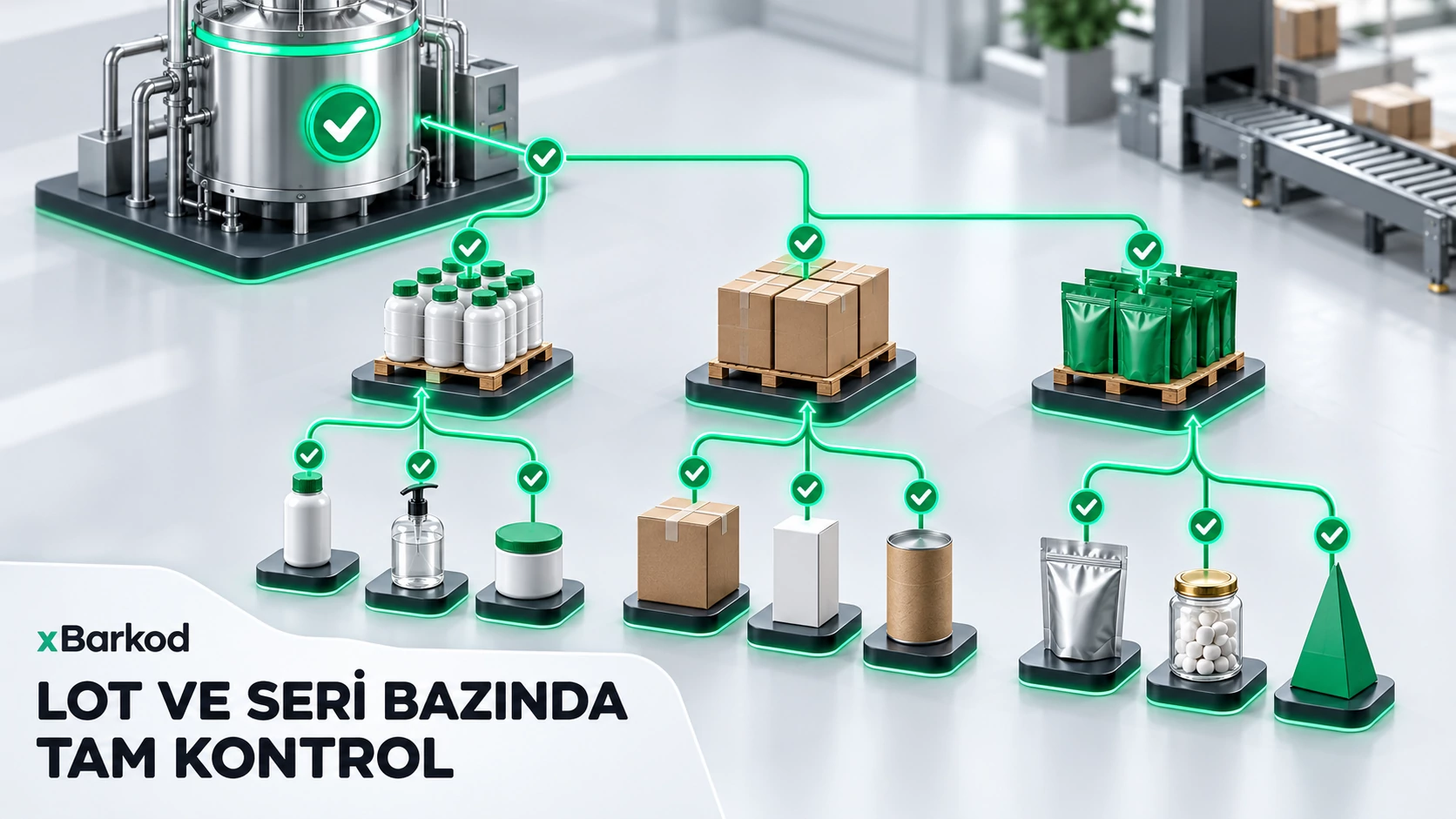
Food Lot Tracking: A Practical Guide from Records to Recall Readiness
Build food lot tracking with current batch rules, linked ingredient-production-dispatch records, recall drills, and item-level authentication controls.
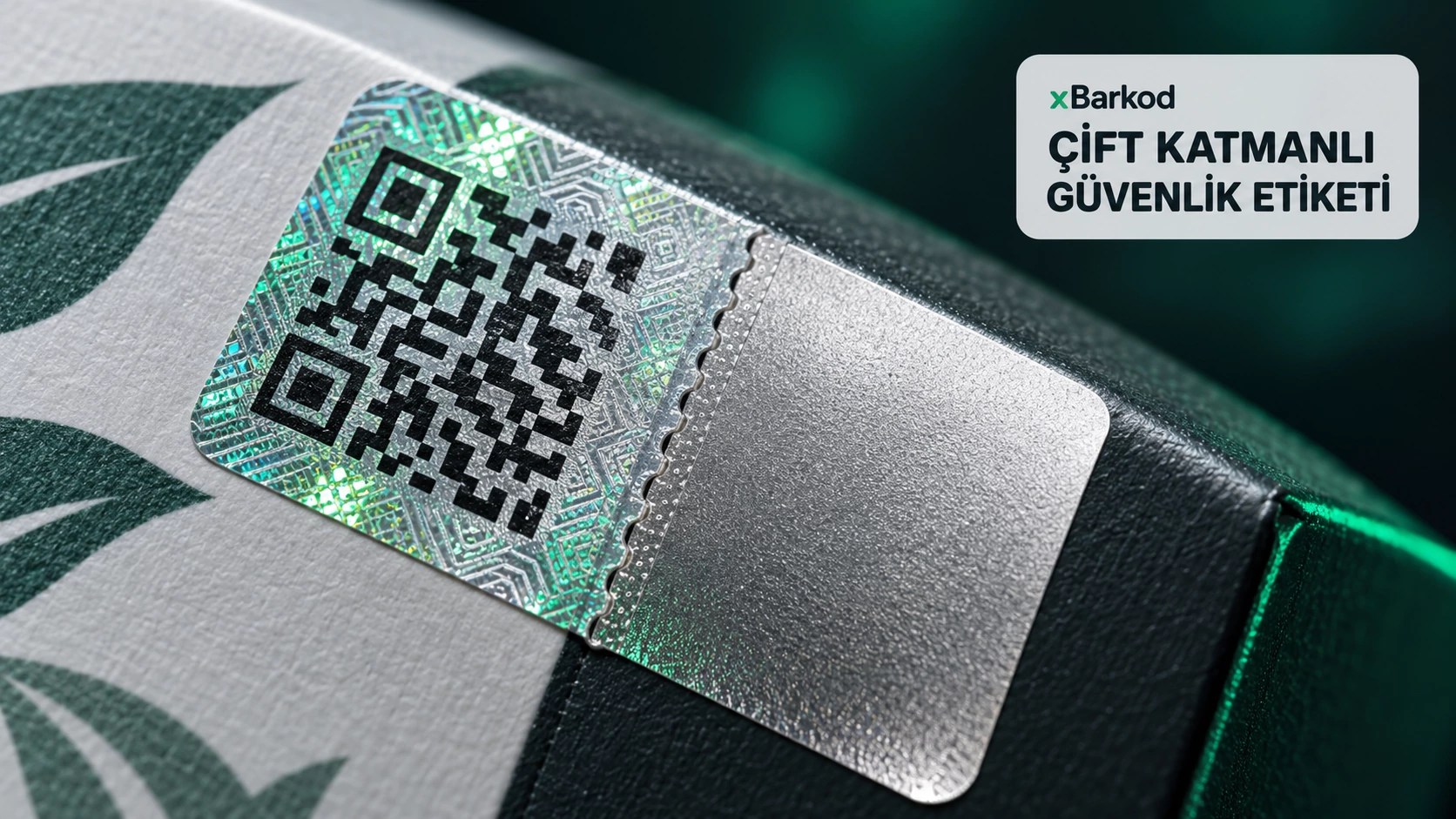
QR Code Authentication for Textile Products: An E-Commerce Brand's Daily Workflow
Learn how an e-commerce textile brand manages QR authentication through product coding, label application, dashboard review, and suspicious-use checks.