What Is a Brand Protection System? A Layered Guide for Physical Products

A brand protection system connects intellectual property rights, physical products, sales channels, and incident response within one control plan. For a company selling tangible goods, it is broader than registering a trademark or adding a security label. Legal ownership and the traceable identity of products in the market must be managed as related but distinct concerns.
The goal is not to claim that one tool eliminates every threat. A confusingly similar mark, copied packaging, a cloned product code, an unauthorised sale, and a customer complaint are different events. Each calls for different evidence, owners, and decisions.
The practical starting question is therefore not “Which label should we buy?” It is “What are we protecting, which event concerns us, and what evidence would support a decision?” Once those answers are clear, legal, quality, operations, sales, and brand teams can own specific parts of the response.
What does a brand protection system cover?
The Turkish Patent and Trademark Office describes a trademark as a sign that distinguishes one undertaking's goods or services from another's. This legal dimension covers registration, scope, renewal, monitoring, and rights enforcement with suitable professional support. Product authentication technology does not replace those activities.
The second dimension concerns physical products and channels. The question here is how a specific item in the market relates to the brand's records and how a suspicious event can be reviewed. Packaging, batch, serial or item identity, dispatch data, seller information, and customer authentication gain value when considered together.
- The rights layer defines the protected mark, goods, services, and territories.
- The operational layer connects genuine products, authorised channels, and authentication events to traceable records.
- The response layer specifies who reviews a suspicious event, which evidence they use, and how the case is closed.
How do layered brand protection controls work?
A layered model allows one record to support another when a control is incomplete. A hologram may provide a visual cue but may not identify the database record for a particular pack. A unique code may establish a digital identity, but its value falls if it is applied to the wrong product.
A practical framework separates the programme into six connected layers. The depth will vary by business risk, but ownership and evidence remain essential at every layer.
- Rights and scope: Define the marks, products, markets, and channels in scope.
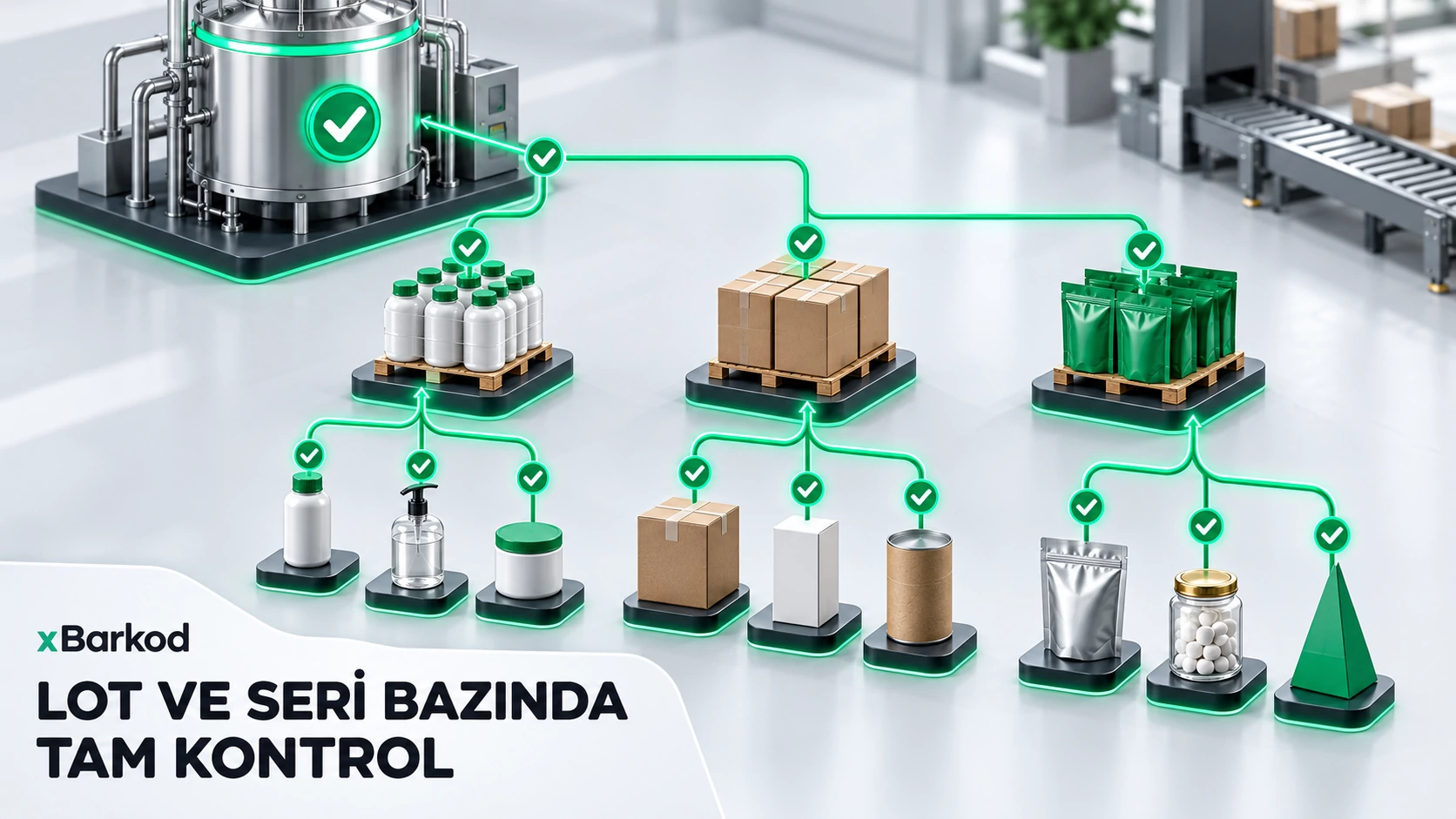
- Product identity: Choose product-type, batch, serial, or item-level identifiers for the question being asked.
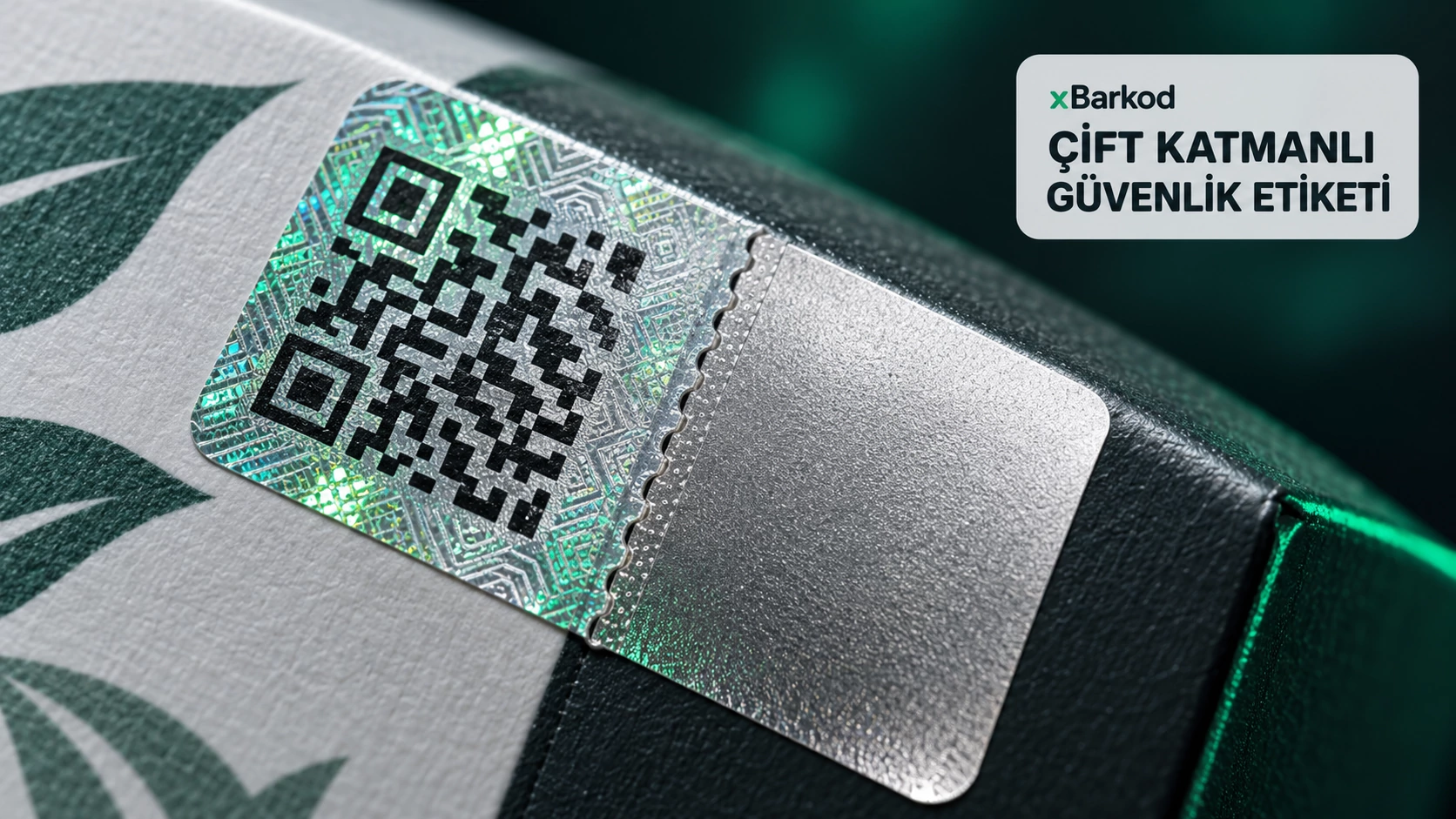
- Physical security: Specify surface compatibility, tamper evidence, and concealed information needs.
- Digital authentication: Manage code validity, prior use, and the result shown to the user.
- Channel visibility: Relate dispatch, distributor, dealer, e-commerce, and return records.
- Incident response: Document review, evidence retention, escalation, and closure steps.
This structure also improves procurement. Instead of collecting a long feature list, ask a provider which risk each feature makes visible, which record it creates, and what an operator can do when an exception appears.
Why must each threat be matched to a control?
Several threats can affect the same package. Moving a label onto another box is a physical event. Copying a shared QR image is a digital identity problem. Selling a genuine product outside an authorised route requires distribution and contractual context. Calling every event “counterfeiting” makes the next action unclear.
| Risk | Relevant control | Evidence to review |
|---|---|---|
| Confusing brand use | Rights and market monitoring | Registration scope, listing, or product sample |
| Label transfer | Tamper evidence and application control | Package surface, label residue, production record |
| Copied code | Unique identity, concealed PIN, and prior-use check | Code record, time, location, and use history |
| Off-channel sale | Comparison of dispatch and seller records | Batch or serial, order, invoice, and delivery information |
The table is not an automated verdict. A control may produce a signal rather than proof. The item and the company's manufacturing, dispatch, sales, return, and support records should be reviewed before a conclusion is reached.
What does item-level identity add?
A common retail barcode usually identifies a product type, so every pack of that product can carry the same number. An item-level identity distinguishes a particular saleable unit. It lets a brand answer “which exact pack?” in addition to “which product?”
In the xBarkod flow, each product receives a unique QR code and a concealed scratch-off PIN. A customer scans the QR code in the xBarkod App and enters the PIN. The system checks whether the code belongs to a valid record and whether the PIN shows prior use. The event is recorded with product, time, and location information in the company dashboard.
The verified workflow can be reviewed on the xBarkod product authentication page. The digital result does not analyse the contents like a laboratory or conclusively prove the full supply chain. A brand protection programme should interpret it alongside packaging, dispatch, and channel evidence.
Why are legal protection and product authentication not interchangeable?
Registration defines the subject of legal protection. Product authentication compares a security code on a physical item with a record created by the brand. A registered right does not automatically locate every imitation in the market, while a valid product code does not answer every legal question about trademark use.
The Turkish Ministry of Trade's customs guide to intellectual and industrial property rights provides the official framework for counterfeit goods and customs applications in Türkiye. A company should plan legal or trademark counsel for its circumstances and should not treat authentication records as a legal conclusion on their own.
How does authentication data become incident management?
Repeated use or an unexpected location on a dashboard can create a review signal. A customer may legitimately check the same item more than once. Unexplained uses from distant places over a short interval may justify checking for a copied code, a record error, or another operational explanation.
The reviewer should first confirm the product record linked to the code. Prior use, time, and location can then be compared with production, dispatch, order, return, and customer-support evidence. Product photographs, packaging samples, and seller details may be requested. Consistent states such as explained, correction required, or escalated help close the case without overstating the signal.
The guides to authentication dashboard reports and tracking suspected counterfeits online offer complementary workflows for connecting platform activity to company evidence.
What should buyers ask a solution provider?
Procurement teams need to understand the boundary of the solution. Instead of accepting a broad claim that a system “prevents counterfeiting,” ask what identity it creates, what happens when a code is copied, which result the customer sees, and which record the company can review.
- Does every product carry the same code or a unique identity?
- Is there a concealed factor that remains hidden until authentication?
- How is a code linked to the correct product, package, and production record?
- How are prior use, time, and location presented and interpreted?
- How are damaged, lost, reprinted, or unused labels controlled?
- Who can access the data and who owns incident closure?
- How are data export and integration requirements handled?
Physical packaging must be tested alongside the software. The product security label selection guide explains how surface, adhesive, placement, concealment, and print readability fit into the digital authentication decision.
What should a pilot prove?
A pilot should test whether the product-to-code relationship survives the real process, not merely whether a demonstration screen looks convincing. One product family, one packaging line, and a limited distribution route make the source of errors easier to identify. Acceptance criteria should be written before labels enter production.
- Confirm that every test code connects to the intended product record.
- Test adhesion, scanning, and PIN concealment on the real package.
- Review the messages shown on first and subsequent authentications.
- Confirm that product, time, location, and prior-use data reach the expected dashboard record.
- Test ownership and decisions for a damaged label, return, and unexplained authentication.
At the end of the pilot, review mismatches, investigated exceptions, resolution time, and open incidents rather than scan counts alone. These measures become meaningful against the company's own baseline; they should not be presented as a universal success rate or guaranteed return.
Frequently asked questions about brand protection systems
What is a brand protection system?
It is a control model that connects legal rights, physical product identity, channel evidence, customer authentication, and incident response. Its scope should reflect the company's products, markets, and priority threats.
Is trademark registration enough on its own?
Registration is the foundation of legal protection, but it does not automatically monitor every product, seller, or code use. Physical-product brands can complement rights management with channel and authentication controls.
Does a QR code prove that a product is genuine?
No. A static QR image can be copied and open the same page. A stronger design evaluates its link to a unique product record, a concealed factor, prior use, and relevant company evidence.
Which risk does a scratch-off PIN address?
The QR code remains visible while the PIN stays concealed until authentication. This adds a second check against simple copying of the visible code. Printing, application, waste, and access controls remain important.
Does an unexpected location prove a counterfeit?
No. Location is a review signal. Travel, gifts, resale, returns, and permission settings can provide legitimate explanations. Product, time, prior use, dispatch, and support records should be considered together.
Can a small brand build a protection system?
Yes. It can begin with one product family and one clear risk question. The priority is to define product identity, label application, the customer message, and an incident owner at an operable scale.
Can a brand protection system eliminate counterfeiting?
No single tool can guarantee that result. A system makes product and channel events more visible and reviewable. Legal, operational, physical, and digital controls strengthen response when they work together.
Conclusion: Design the control system, not just the tool
A brand protection system is broader than a registration certificate, hologram, QR code, or software dashboard. It connects rights, product identity, security labels, channel records, authentication signals, and incident decisions. Understanding what each layer can and cannot prove prevents false confidence.
Begin with one product family, one priority risk statement, and a named review owner. Then assess xBarkod's unique QR code, scratch-off PIN, prior-use check, and company dashboard against your real packaging and channel records, using a measurable pilot before broader rollout.
More Articles
Food Lot Tracking: A Practical Guide from Records to Recall Readiness
Build food lot tracking with current batch rules, linked ingredient-production-dispatch records, recall drills, and item-level authentication controls.
QR Code Authentication for Textile Products: An E-Commerce Brand's Daily Workflow
Learn how an e-commerce textile brand manages QR authentication through product coding, label application, dashboard review, and suspicious-use checks.

Counterfeit Product Detection Systems: From Signal to Decision
Learn how to build a counterfeit product detection system using item identity, authentication signals, channel records, case review, and a controlled pilot.