Hologram or QR Code? A Product Security Label Selection Guide
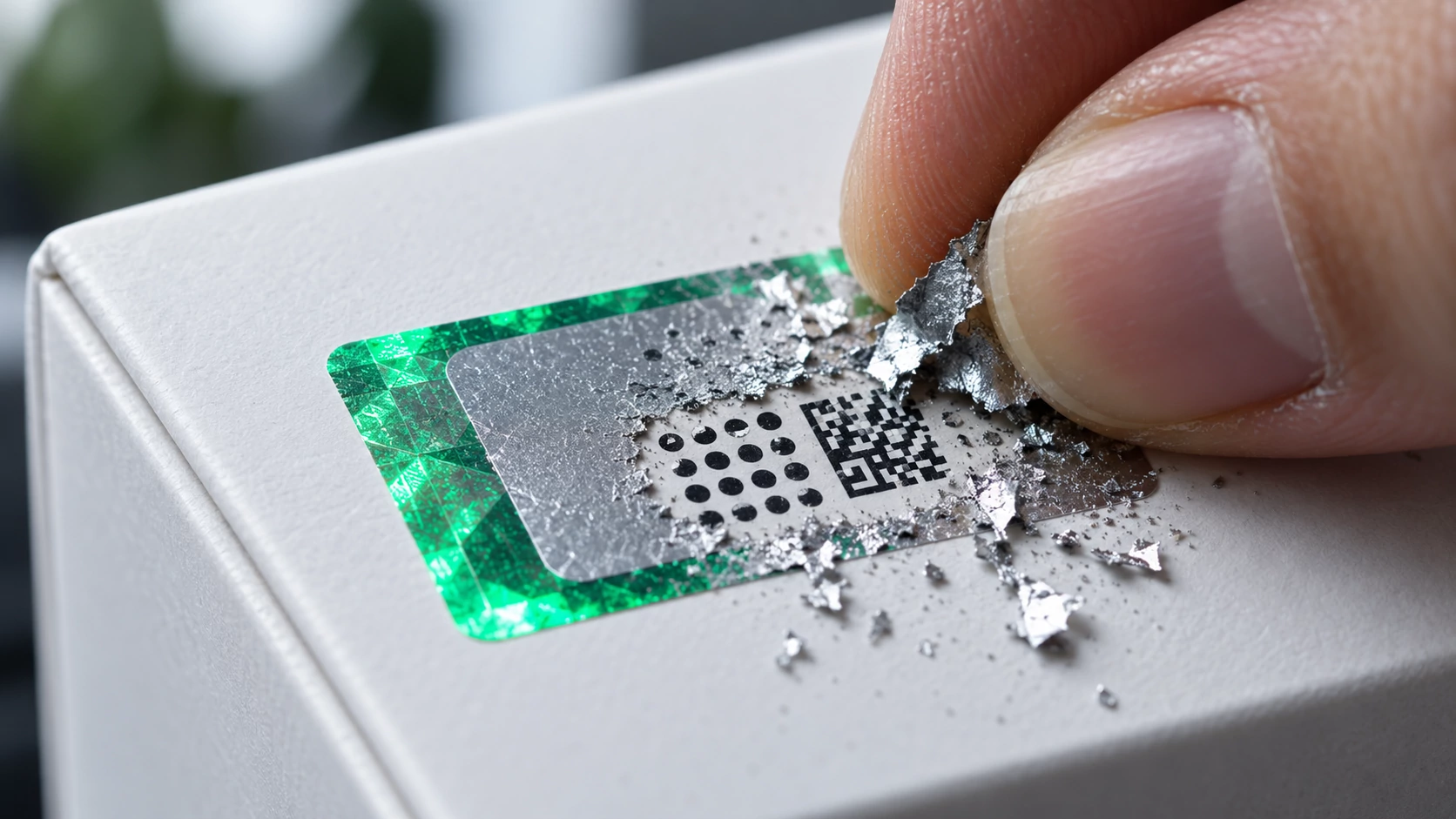
The choice between a hologram and a QR code is not a contest with one universal winner. A hologram gives people a visible feature to inspect on the package. A QR code connected to an authentication system can match the item to a digital record and make the verification event reviewable. The right choice begins with the decision the label must support, not with its appearance.
A holographic feature may fit a fast visual check at a shelf, warehouse, or service desk. A unique QR-based identity becomes more useful when customers must authenticate an individual package, when brands need to review repeated scans, or when verification should lead to controlled digital information. Higher-risk products may benefit from both layers because they perform different jobs.
The short answer: holograms are visible features, while QR codes are digital touchpoints
A hologram can be inspected without opening an app. A customer or channel partner can look for its expected location, optical effect, and physical integrity. Brand-specific imagery and a tamper-evident label construction can make a first-line check easier. The hologram alone, however, does not reveal whether that particular package matches an active record in the brand's system.
A QR code is a data carrier. It may lead to a product page, an authentication workflow, or another digital resource associated with an item identity. The GS1 explanation of Digital Link describes how GS1 identifiers can connect to one or more online information sources. The square symbol is not the security model; the identity, data, and validation process behind it determine what the scan can prove.
Asking only “Which is more secure?” hides several separate requirements. Does the business need a visible deterrent, evidence of package opening, item-level authentication, verification data, consumer guidance, or a combination? Once those jobs are explicit, a team can decide which physical and digital layers belong in the design.
What does a hologram do well?
A hologram is an overt feature, meaning that an ordinary user can inspect it visually. A brand employee, distributor, or customer may check whether it appears in the expected place and behaves as described when viewed from different angles. That immediate inspection can be valuable where connectivity is unavailable or where only a rapid preliminary check is practical.
A holographic surface can also be placed on a label engineered to reveal interference. The optical feature and tamper-evident construction are related but not identical requirements. Whether the label breaks apart, leaves a VOID message, or resists reapplication depends on its material, adhesive, cuts, and packaging surface. A procurement specification should define those properties instead of assuming that every hologram behaves the same way.
A 2026 expert contribution to WIPO's Advisory Committee on Enforcement places visually verifiable optical labels among entry-level technologies. It notes their accessibility while also describing limits in robust authentication, replication deterrence, and integration with wider business processes. This does not make holograms irrelevant; it clarifies that their role must be bounded and understood.
- They support a quick visual check in the field.
- They can provide a recognizable physical brand-security feature.
- With suitable construction, they can help reveal package interference.
- On their own, they do not create scan history, location signals, or reuse alerts.
What does a QR-based authentication layer do?
The business value of a QR code comes from connecting a phone to a controlled record. A generic QR code that opens the same webpage for every package is different from an item-level code. If a generic link is copied, the copy can still open the genuine brand page. A successful redirect is therefore not proof that the physical product is genuine.
An authentication workflow needs to know which item record the code represents and whether that identity has already been used. A concealed, scratch-off PIN can add a second checkpoint when the visible QR code is copied. This design does not promise to eliminate counterfeiting. It makes duplicate and unusual activity observable so that the brand can investigate it.
EUIPO summary of ISO 22383:2020 explains that the standard guides organizations in choosing suitable authentication elements and provides criteria for comparing options. For a buyer, the practical lesson is to design item identity, validation logic, and necessary physical controls together instead of treating the printed QR symbol as the complete security model.
- Each product can receive a distinct identity.
- Customers and field teams can authenticate with a phone.
- Repeated or implausible verification activity can be reviewed.
- The result page can provide controlled product information and brand communication.
Why are holograms and QR codes not substitutes?
The EUIPO technology map classifies two-dimensional codes and security holograms as different types of marking technology. The distinction matters. Holograms primarily support physical and visual examination; QR codes connected to a system support machine-readable identity and a digital response.
A convincing hologram does not show that a package is registered to the correct serial or batch record. In the same way, a QR code opening the right domain does not establish that the package in hand came from the brand. Either feature can create false confidence when it is separated from operating rules, controlled data, and a suitable physical application.
In a layered workflow, a customer first checks the expected physical feature, then scans the QR code and enters a concealed PIN when required. The service checks validity, previous use, and the linked product record. The brand team reviews the resulting activity in its item or batch context. Visual inspection and digital evidence then reinforce rather than imitate each other.
| Decision criterion | Hologram | QR code connected to authentication |
|---|---|---|
| Fast visual inspection | A primary strength | Requires a scan |
| Item-level record | Not without added serialization | Possible with a unique code |
| Verification history | Not generated by itself | Reviewable through system records |
| Tamper evidence | Possible with suitable construction | Depends on the physical label design |
| Customer communication | Limited to visible messaging | Can open controlled digital content |
Which option fits your risk scenario?
Do not start with unit price or product prestige alone. A low-cost item distributed through many channels may carry substantial risk when codes are reused or products move outside authorized routes. A premium product may need a recognizable visual feature and a consumer-facing authenticity check. The same label architecture should not be copied across every product family without examining its threat model.
- Define the threat: Is the main problem copied packaging, refilling, unauthorized channels, warranty abuse, or package opening?
- Name the verifier: Will a consumer, dealer, warehouse employee, or investigator perform the check?
- Choose the evidence: Is a visual cue enough, or is an item record, concealed code, or layered combination required?
- Test operations: Can the line apply labels, activate codes, reject faults, and preserve scan quality?
- Plan the response: Who reviews a suspicious event, and what additional evidence will they use?
A business that needs only to expose opening and support a rapid field check may begin with a holographic or tamper-evident physical label. A business that needs item-level queries, verification records, and a customer-facing result requires a digital authentication service. When both needs are material, a combined label is usually the more coherent architecture.
What belongs in a security-label specification?
Procurement should not order a label using only the words “holographic” or “QR-enabled.” The document should specify the packaging surface, expected temperature and moisture, print area, line tolerances, adhesive behavior, and what happens when the label is removed. Code readability should be tested both on the production line and under realistic customer conditions.
On the digital side, code generation, activation, product-to-batch association, previous-use checks, and user results are separate requirements. A code merely existing in a database is not enough. Teams need clear outcomes for valid, previously used, mistyped, deactivated, and geographically unexpected attempts, followed by an investigation process that fits each outcome.
If a hologram is present, users must know what to inspect. An elaborate optical effect may deliver limited value when customers have no reference or instruction. Overt checks should be easy to explain. Covert or forensic features should sit within procedures for trained brand, laboratory, customs, or enforcement personnel rather than being presented as a consumer task.
- Compatibility between label material and packaging surface
- Instructions for inspecting the holographic feature
- QR print size and scan testing
- Unique code, PIN, and activation workflow
- Batch or serial association
- Ownership of suspicious-event review and escalation
How should a pilot be run?
Start with one product family, a limited production batch, and a measurable risk scenario. Test the label on every relevant packaging surface. Observe application at real line speed, QR readability, scratch-off experience, and removal behavior. Scan volume alone should not be the definition of success.
Production teams must show how damaged, surplus, and unused labels are rejected or deactivated. Brand teams should verify that codes are associated with the intended product and batch. Dealers and customer-service staff need guidance on valid, previously used, and invalid results. A warning should not automatically be treated as a final counterfeit determination.
At the end of the pilot, examine unreadable scans, completion of the customer journey, explanations for repeated queries, and the team's response time. Use those observations to refine artwork, verification messages, activation controls, and alert thresholds. The decision to scale should come from actual operating evidence rather than a successful desk demonstration.
Where does xBarkod fit?
xBarkod supports digital layers such as a unique authentication code for each item, combined QR and scratch-off PIN, previous-use checks, and review of authentication activity in a company panel. Time and location information can help teams examine repeated or unusual events. These are operational signals for investigation, not automatic or absolute counterfeit judgments.
Applying security labels to existing packages may allow a brand to pilot the workflow without redesigning its entire packaging system. Whether a separate holographic feature is required should still be decided according to product risk, the packaging surface, and the field-inspection procedure. The objective is a measurable authentication process, not a fashionable label.
To compare a hologram-only approach, a unique QR identity, and a layered label for your products, review the xBarkod product authentication infrastructure and define a pilot around your priority risk. For a closer look at the copy problem, the guide on what happens when a QR code is copied explains the role of a second layer.
Frequently Asked Questions
Is a hologram impossible to copy?
No. A hologram can raise replication effort and provide a visible inspection layer, but no overt feature should be sold with an absolute claim. Performance depends on optical complexity, label construction, application quality, and access to clear inspection guidance. Brands with higher exposure should consider supporting it with item-level digital authentication.
Is every QR code an authentication code?
No. A standard QR code may only open a common web address. Authentication requires a connection to brand-controlled records, preferably a distinct identity for each item, plus a check of current status and prior use. A concealed PIN can provide a second checkpoint beyond the visible QR code.
Can a hologram and QR code share one label?
Yes. A properly engineered label can combine a holographic area, a QR code, and a scratch-off field. The elements must not interfere with one another. The QR code should remain readable after printing and handling, and customers should understand the order in which the visual and digital checks are performed.
What happens when someone copies the QR code?
The result depends on the authentication model. With unique identities and event records, repeat attempts or requests from unexpected times and places can produce a review signal. That signal is not conclusive on its own. The brand should interpret it alongside the physical item, sales channel, batch information, and customer report.
Which option costs less?
There is no responsible universal price answer. Quantity, optical design, label substrate, serialization, integration, line changes, and operating support all affect total cost. Compare options by the risk each one makes observable and by the team's ability to act on its evidence, not only by the printed label price.
Can a small brand begin with layered authentication?
Yes. A brand can pilot one exposed product family instead of changing its entire catalogue at once. A limited batch makes it easier to test label application, customer instructions, data quality, and team responsibilities. Large-scale purchasing should follow measured pilot results rather than precede them.
Conclusion: design the authentication decision, not just the label
In the hologram-versus-QR decision, the useful answer comes from the jobs assigned to each technology. A physical layer serves visual inspection and can help reveal interference. A digital layer serves item identity, verification history, and controlled customer communication. Combining them may be appropriate when the risk requires both forms of evidence.
Write down the threat, verifier, required evidence, and suspicious-event response before choosing materials. Then test print, application, scanning, and data flow in a small pilot. When assessing xBarkod authentication options, this framework gives procurement, quality, and brand-protection teams a shared basis for selecting the right layers.
More Articles
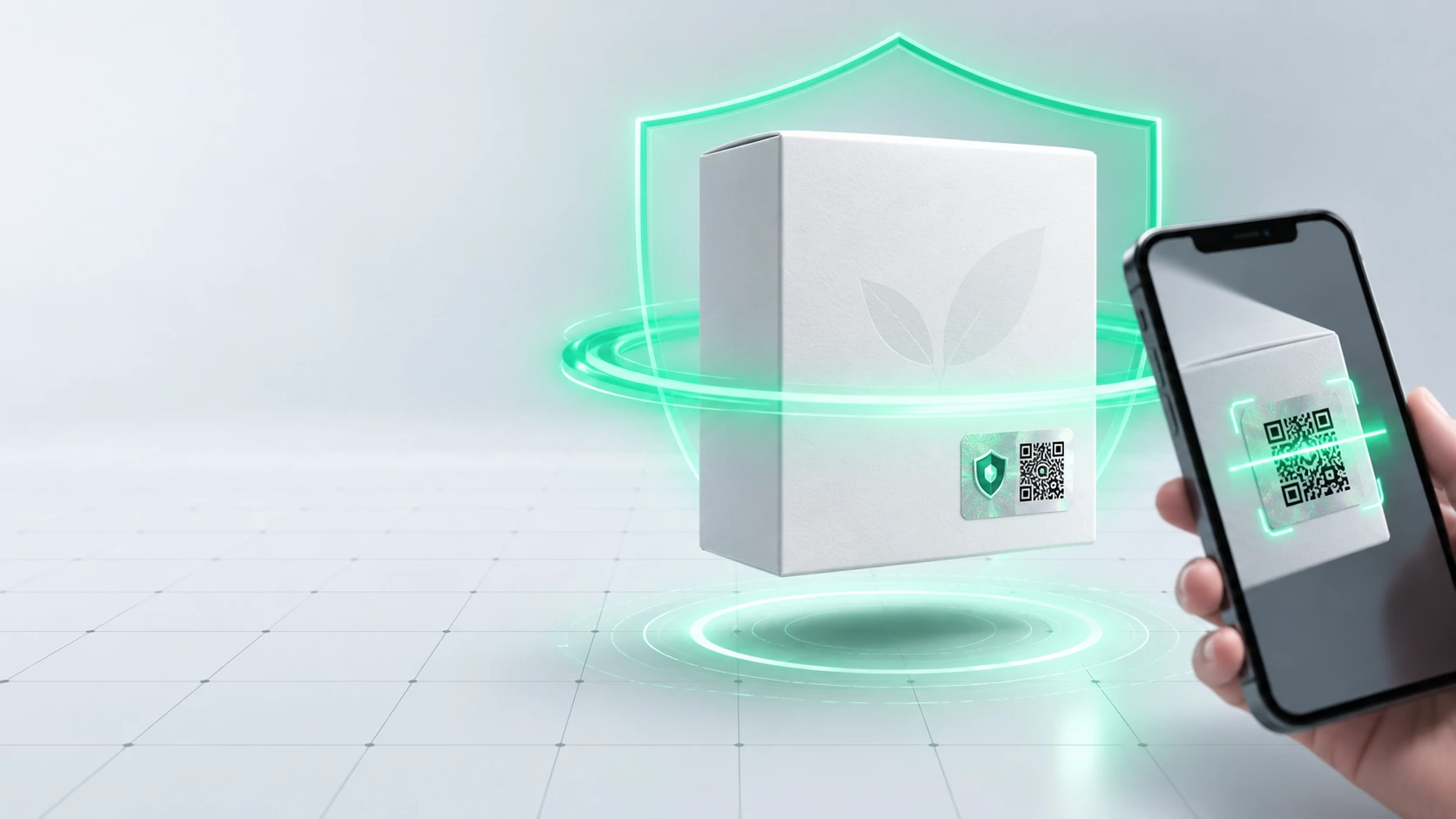
Battery Product Authentication: Identity, Channels, and Passport Boundaries
Plan battery product authentication correctly by separating model, batch, serial, item codes, channel evidence, and EU battery passport requirements.

How to Prevent Counterfeit Products: 8 Lifecycle Controls
Learn how brands can prevent counterfeit products with eight practical controls spanning suppliers, packaging, unique identity, channels, and incident review.
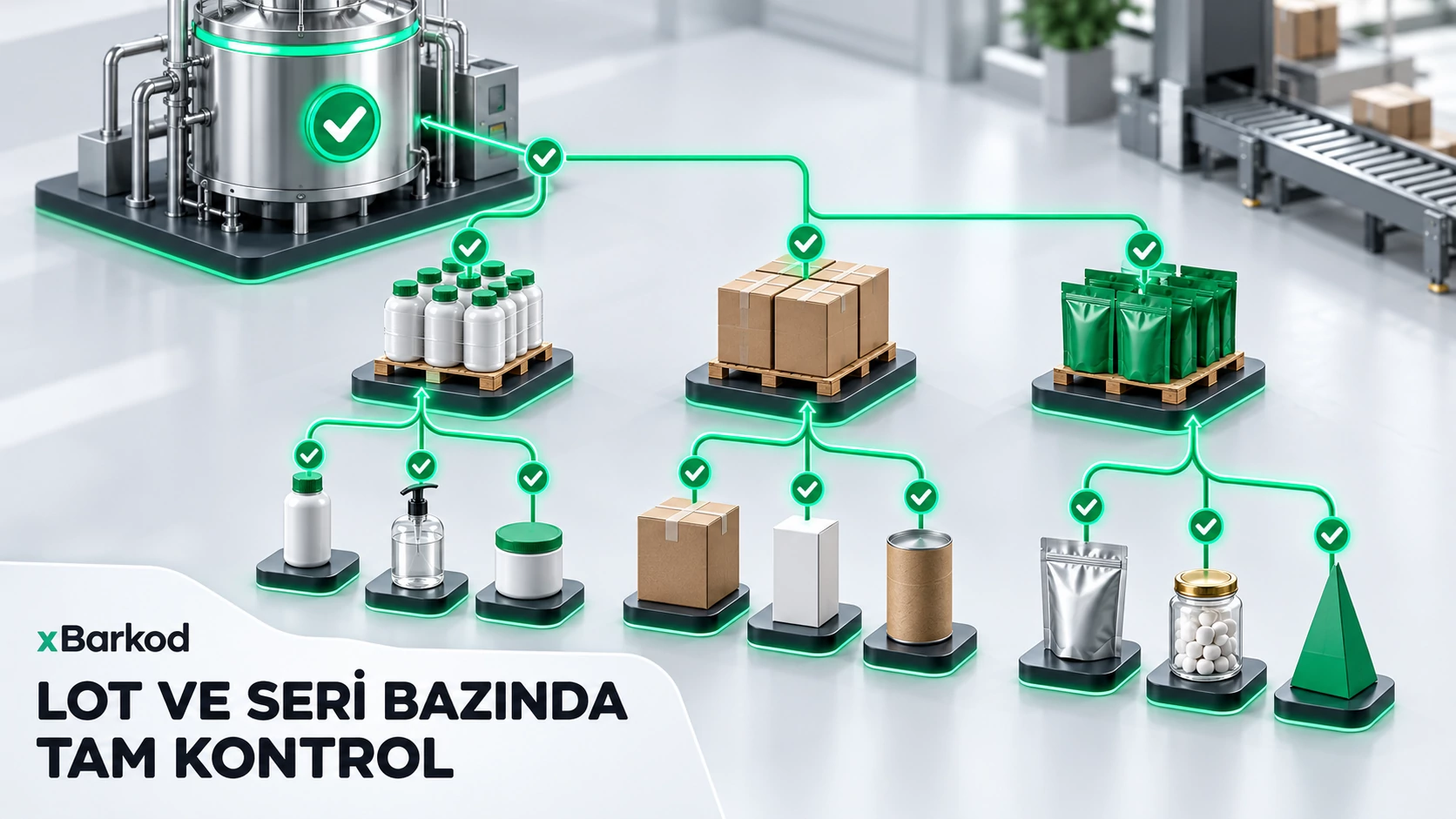
Food Lot Tracking: A Practical Guide from Records to Recall Readiness
Build food lot tracking with current batch rules, linked ingredient-production-dispatch records, recall drills, and item-level authentication controls.