How to Create Unique Product Codes: An Exporting Brand's Authentication Workflow

Creating a unique product code does not mean printing the same QR image on every pack. For an exporting brand, each saleable unit must have its own identity connected to the correct product record, and every authentication event must be reviewed through that identity. The business is therefore managing a traceable authentication workflow, not merely generating codes.
This distinction becomes especially useful when one product travels through different markets and channels. A shared retail barcode can identify the product type, while a unique authentication code distinguishes a specific pack. In daily operations, the practical benefit is the ability to review a customer check with product, time, location, and prior-use context.
What should a unique product code solve for an exporting brand?
The code must do more than make the pack scannable. The brand needs to know which product received the code, which packaging record supports that assignment, and whether field activity is consistent with the expected distribution context. Without those connections, an event may appear on a screen but remain difficult to explain operationally.
The starting question is not which QR format looks best. It is which physical unit the company needs to distinguish from all other units. If each pack requires an individual authentication history, a shared product barcode cannot provide that separation. Product family, batch, and shipment data still matter, but item-level authentication needs an item-level identity.
Separate a shared barcode from an item-level authentication code
The GS1 Global Traceability Standard explains that fully serialised identification can distinguish an individual product instance and correlate observations involving that instance over time. This principle helps an exporting brand avoid treating a stock code and an authentication identity as though they perform the same job.
A general product barcode can continue to identify the commercial product type. The unique authentication code is attached to a particular package within that type. These records are complementary: one describes the class of product, while the other identifies the physical unit whose field activity may need review.
- Product record: Establishes the name and variant associated with the code.
- Production context: Connects the identity to the brand's batch or packaging records.
- Item identity: Distinguishes the pack from other units of the same product.
- Authentication event: Allows the brand to review when and where the code was checked and whether prior use is visible.
Prepare the operating record before the label
Uniqueness cannot depend only on a different character string. Before labels are applied, the exporting brand should define which product record will be used, which package will receive the identity, and how damaged or unused labels will be separated from normal production. The objective is to prevent a valid code from being associated with the wrong product.
A workable identity lifecycle preserves the distinction between codes being prepared, applied, made available for authentication, or removed from use. These are not claims about undocumented xBarkod status screens. They are operating rules that the exporter should own across production, quality, packaging, and shipment records.
How does the verified xBarkod flow work?
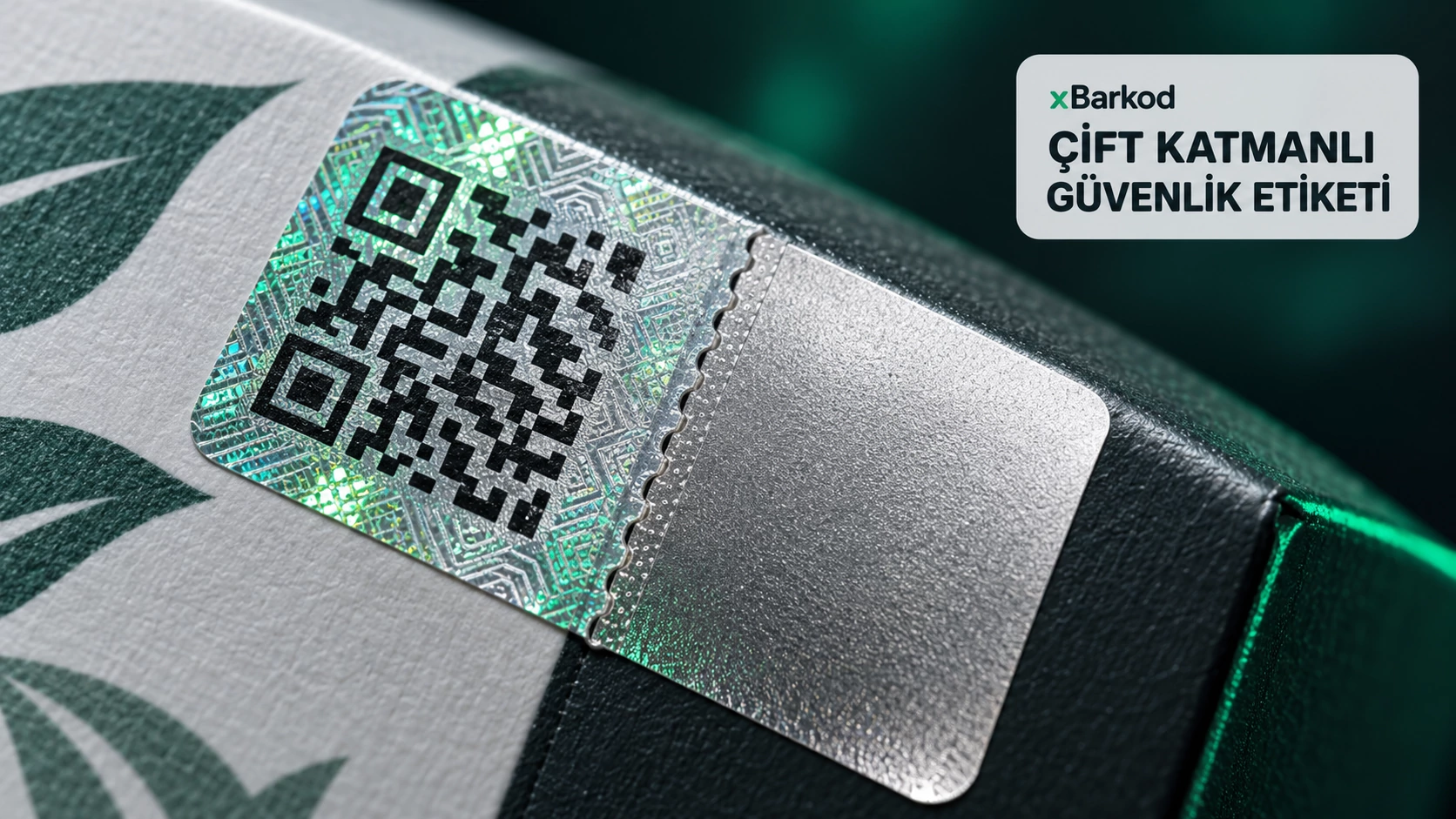
According to xBarkod's live product description, each product receives a unique QR code and a concealed scratch-off PIN. The customer scans the QR code with the xBarkod App, enters the PIN, and sees the authentication result. Prior use is checked, while product, time, and location information is recorded for the company dashboard.
For an exporting brand, the practical value is that authentication does not remain isolated from field operations. The dashboard event becomes a signal that can be compared with the brand's product and shipment records. When suspicious use appears, the team can review the code history and relevant business evidence instead of relying only on a customer message.
If current packaging, product records, and shipment practices are already defined, the xBarkod product authentication workflow can be assessed against that structure. The evaluation should cover product-to-code matching, protection of the concealed PIN, dashboard ownership, and the treatment of unexplained events before visual label preferences.
Label application is part of authentication
A digitally valid code loses operational meaning if it is applied to the wrong package. The brand should make product matching, QR readability, and protection of the concealed PIN part of packaging control. xBarkod states that its security labels can be applied to existing product packaging.
Packaging variants also matter to an exporter. Boxes may differ by language, destination, or distribution arrangement while belonging to the same product family. Application instructions should leave no uncertainty about which variant belongs to which record. Exceptions such as damaged packaging, unused labels, or repacking should be defined before dispatch.
- Match the product record to the relevant packaging variant.
- Place the label so that the QR area remains visible and the PIN stays concealed.
- Check that applied identities belong to the correct product.
- Separate damaged, unused, or incorrectly applied labels from normal dispatch.
- Preserve the product and market context required by the brand's shipment records.
Connect dashboard events to daily work
Opening a dashboard merely to observe activity is not enough. For an exporting brand, a meaningful review connects product matching, event time, location context, and prior use with the intended destination. This prevents an explainable customer recheck and an event requiring investigation from being handled as the same condition.
The review starts by confirming the product connected to the event. The team then checks whether the code shows prior use, whether timing fits the shipment flow, and whether location can be explained by the intended market. A dashboard signal is not a final verdict; orders, dispatch documents, returns, and support records provide the business context.
The guide to product authentication dashboard reports explains how dashboard records can support production and support responsibilities. The distinctive focus here is identity integrity from code creation and packaging through the first field authentication in an export market.
How does suspicious use become visible?
A previously used code appearing again, an unexpected location context, or activity that the brand's records cannot explain may justify investigation. None of these signals proves that the product is counterfeit. A customer rescan, travel, resale, return, support check, or delayed record may provide a legitimate explanation.
A sound process treats suspicious activity as a question rather than a conclusion. Which product is connected to this identity? When did the first authentication appear? Was the product dispatched to that market? Does customer support have a related record? These questions turn a dashboard signal into a reviewable case.
- Confirm the product record attached to the code.
- Review prior use, time, and location context together.
- Compare relevant order, dispatch, return, and support records.
- Record the rationale when ordinary activity explains the event.
- Route unexplained activity to the responsible team without making an unsupported claim about the product.
The guide to reused product codes provides a closer look at repeat authentication. An exporting brand extends that method with destination, distributor, and shipment context.
Who should own the authentication process?
Technical code generation does not automatically establish operating ownership. The team maintaining product records, the party controlling label application, the operation recording dispatch, and the person reviewing unexplained dashboard events should all be identified. Handoffs are as important as access permissions.
A concise review record can provide a practical starting point: the product concerned, the dashboard signal, the business records compared, the decision, and the next action. This reduces inconsistent interpretations across teams and makes it clear when an event remains routine or needs product safety or brand protection attention.
Frequently asked questions about unique product codes
Is a unique product code the same as a general barcode?
No. A general barcode commonly identifies a product type and repeats across packs of that type. A unique authentication code distinguishes a specific saleable unit and connects its authentication activity to that product record.
Is a different QR code on every pack sufficient?
Not by itself. The code must be applied to the correct product, concealed authentication information must remain protected, authentication activity must be recorded, and exceptions need a defined brand review process.
Which authentication information does xBarkod expose?
xBarkod's live description says a company can track authentication events by product, time, and location, review prior use, and follow suspicious activity in its dashboard. Undocumented reporting or alert functions should not be assumed.
Does an unexpected location prove counterfeiting?
No. Location is risk context, not a verdict. Travel, resale, returns, or record differences may provide an explanation. Product, time, prior use, and shipment evidence should be reviewed together.
Why is a scratch-off PIN part of the flow?
The QR code remains visible on the package while the PIN is concealed until the user opens it during authentication. xBarkod connects both to the same product identity, and the prior-use check provides additional context for the user and brand.
Where should an exporting brand begin?
Start by defining the saleable unit to be identified, its product record, the owner of packaging application, and the owner of dashboard review. The brand can then test coding, authentication, and exception handling against its real dispatch workflow.
Conclusion: Manage identity integrity, not just the code
The business value of a unique product code does not come from generating random strings. It comes from attaching the identity to the correct product, protecting the concealed verification step, making customer activity visible, and investigating unexplained use with the brand's own records.
When an exporting brand defines product-to-code matching, packaging control, shipment context, and dashboard ownership as one workflow, authentication becomes more consistent. To evaluate that workflow, review xBarkod's unique QR code, concealed PIN, and company dashboard capabilities alongside current product and market records.
More Articles
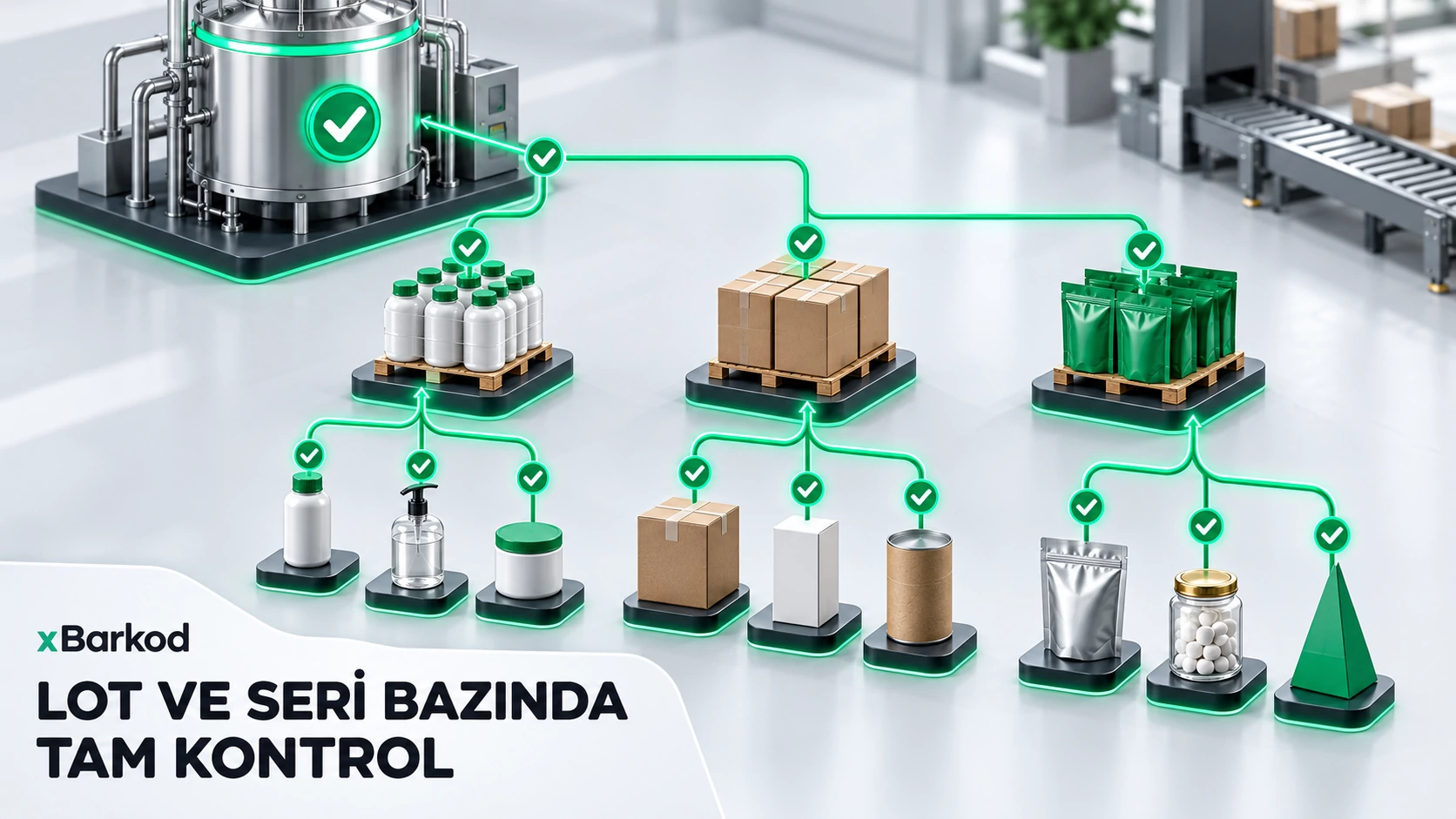
Food Lot Tracking: A Practical Guide from Records to Recall Readiness
Build food lot tracking with current batch rules, linked ingredient-production-dispatch records, recall drills, and item-level authentication controls.
QR Code Authentication for Textile Products: An E-Commerce Brand's Daily Workflow
Learn how an e-commerce textile brand manages QR authentication through product coding, label application, dashboard review, and suspicious-use checks.

Counterfeit Product Detection Systems: From Signal to Decision
Learn how to build a counterfeit product detection system using item identity, authentication signals, channel records, case review, and a controlled pilot.